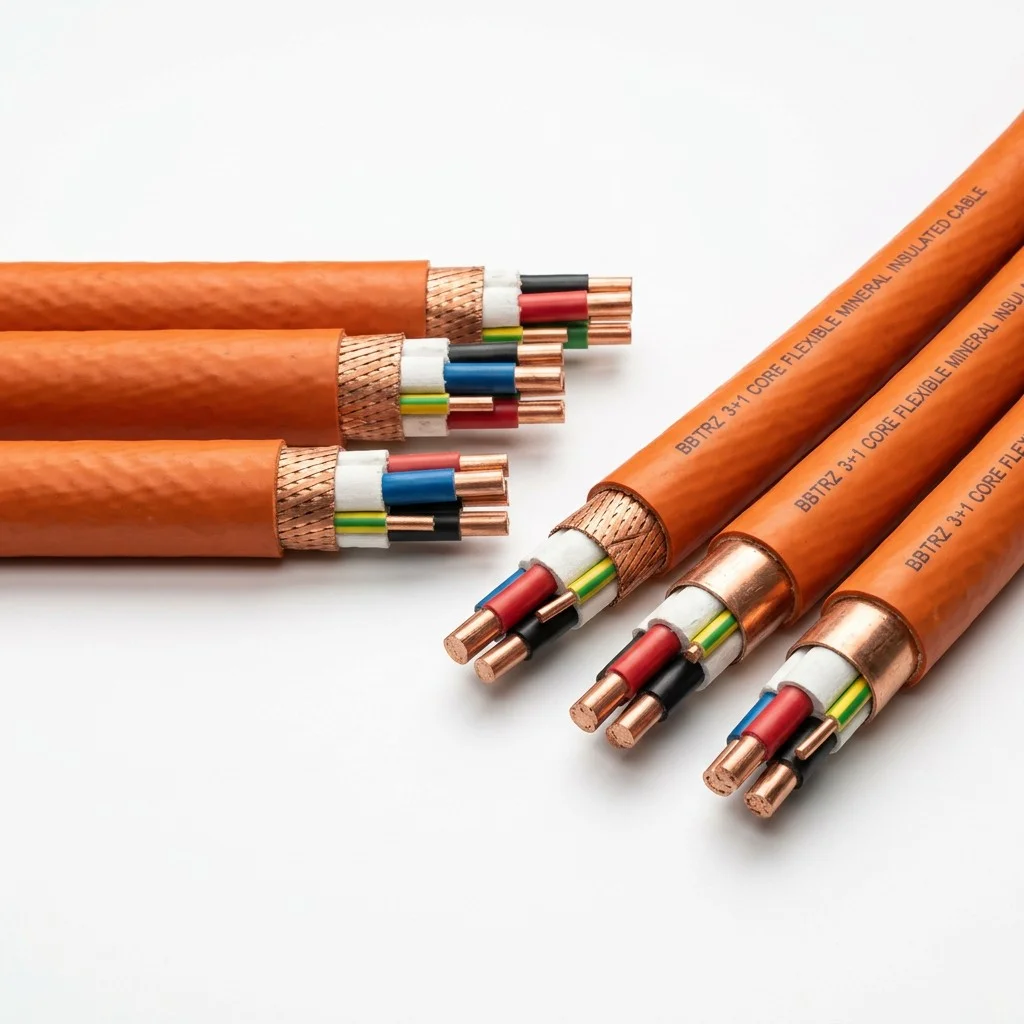
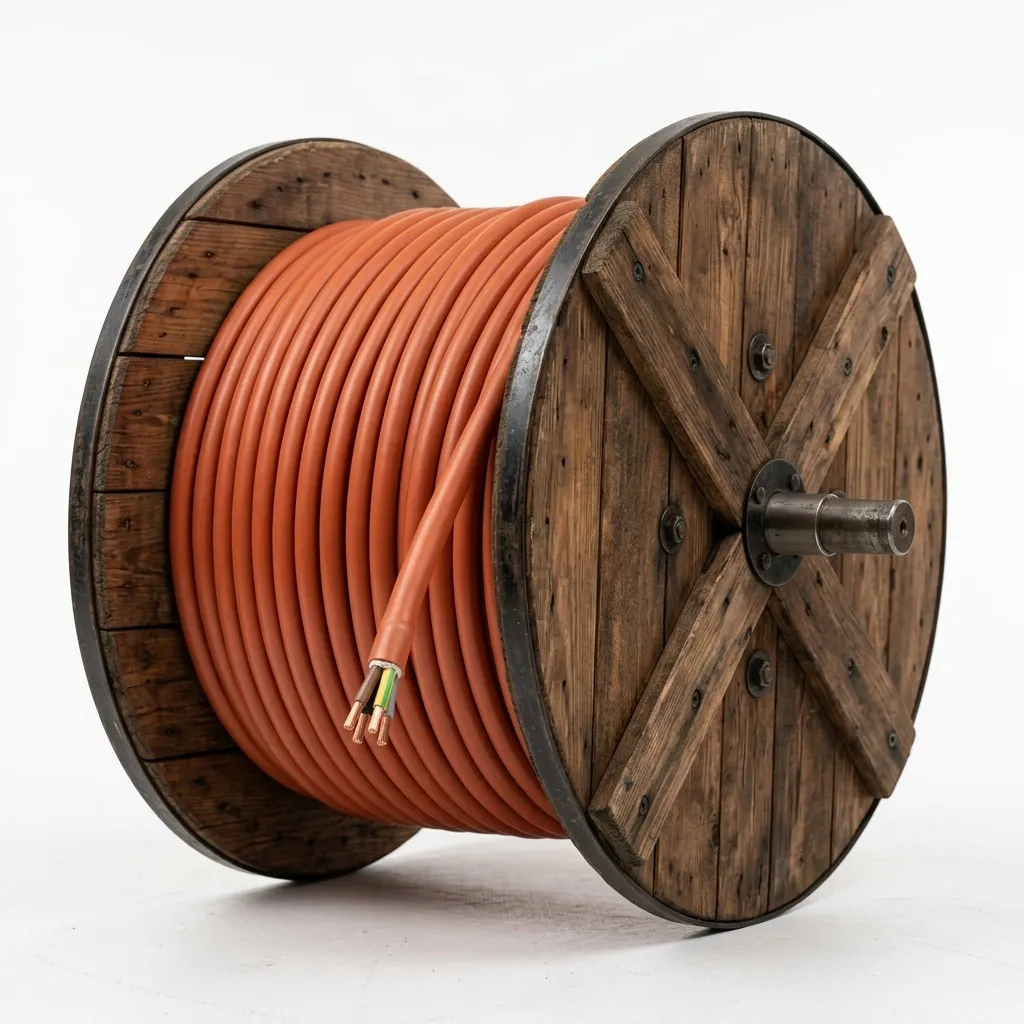
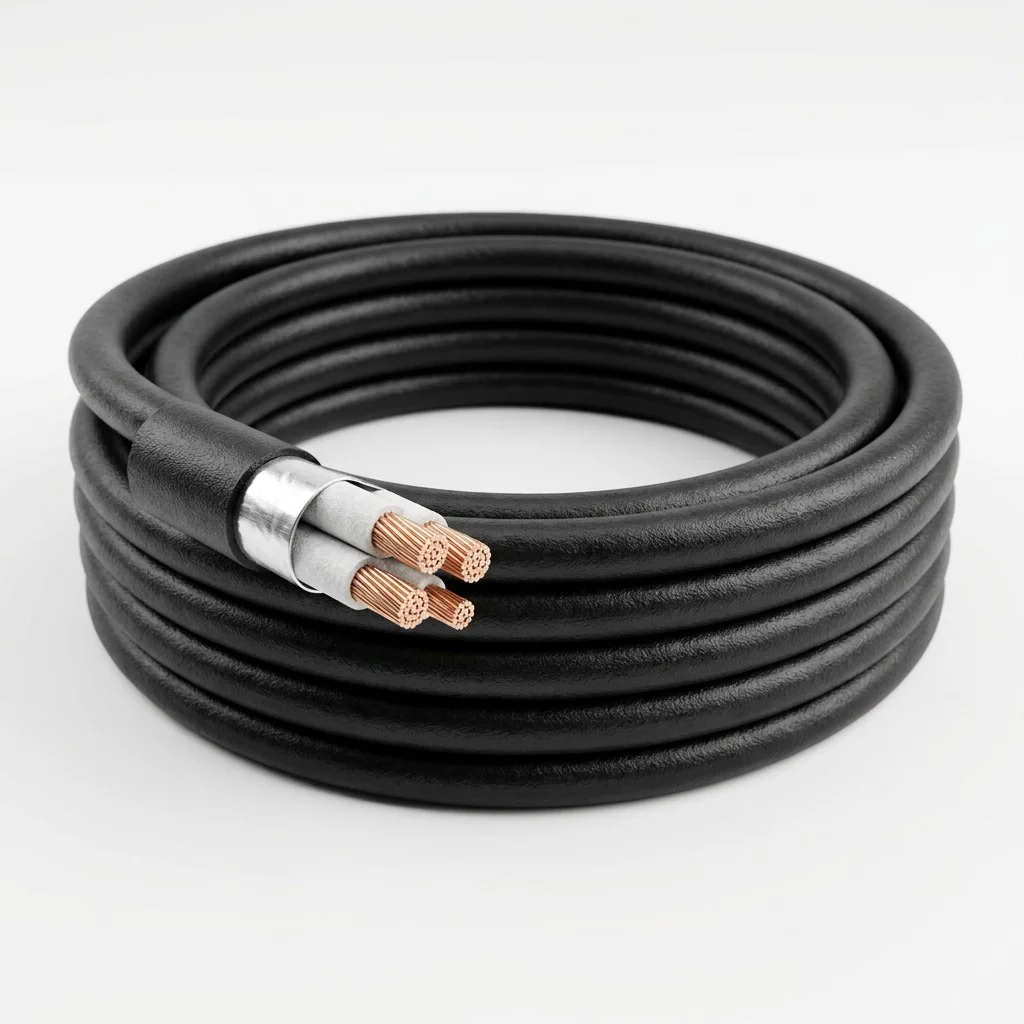
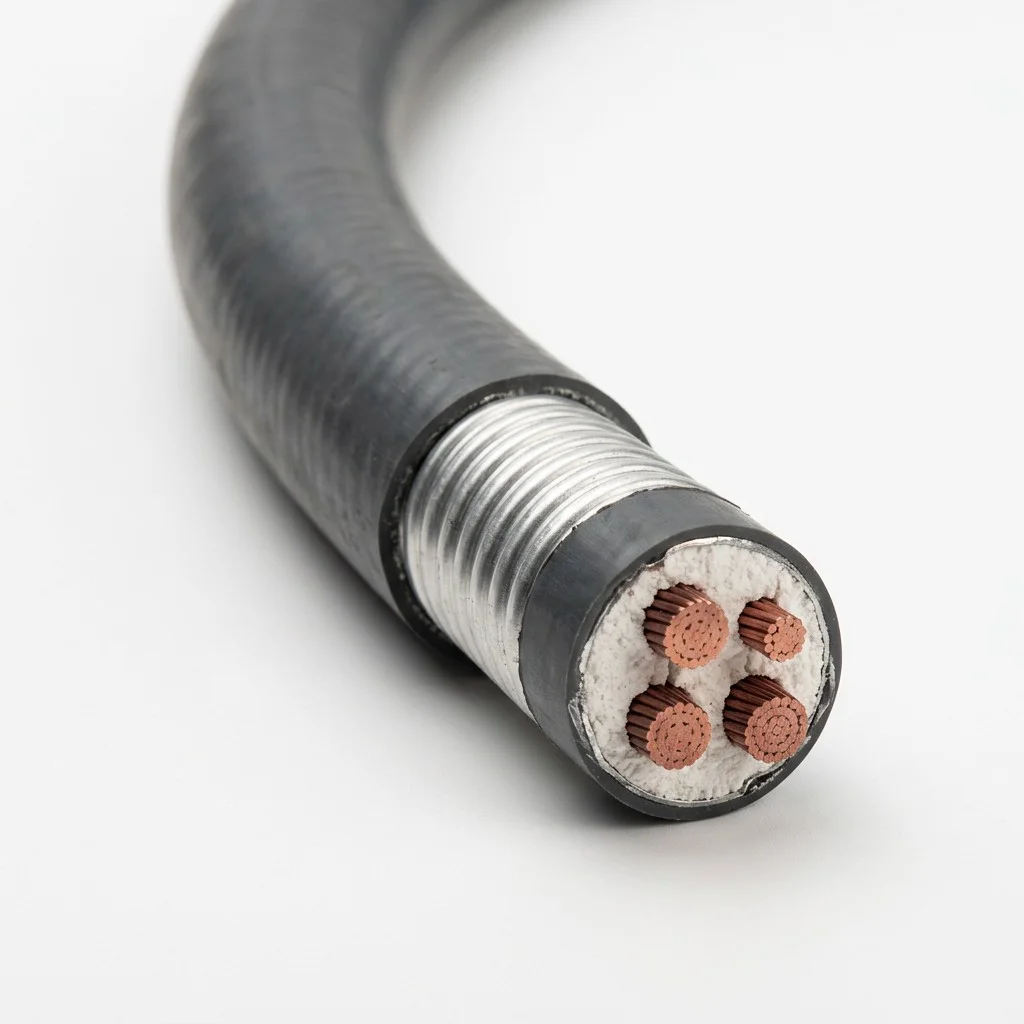
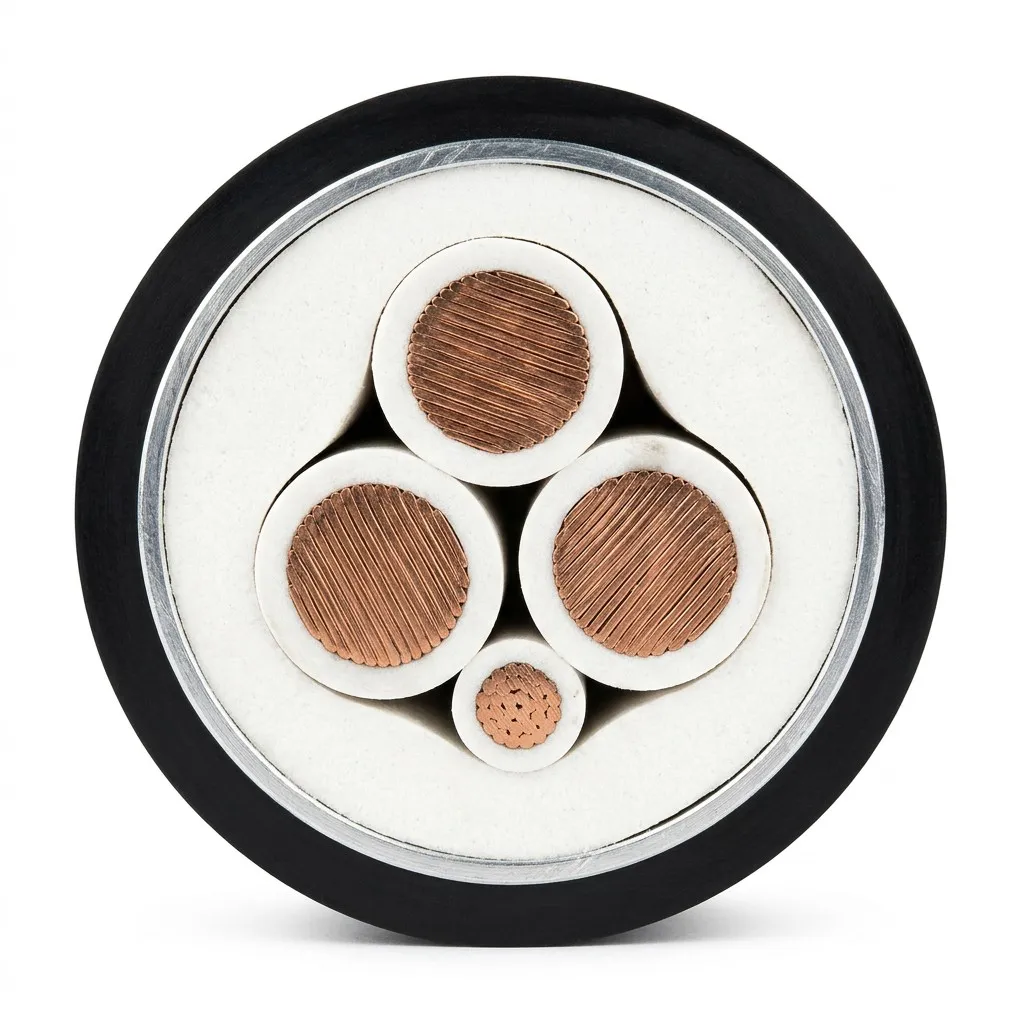
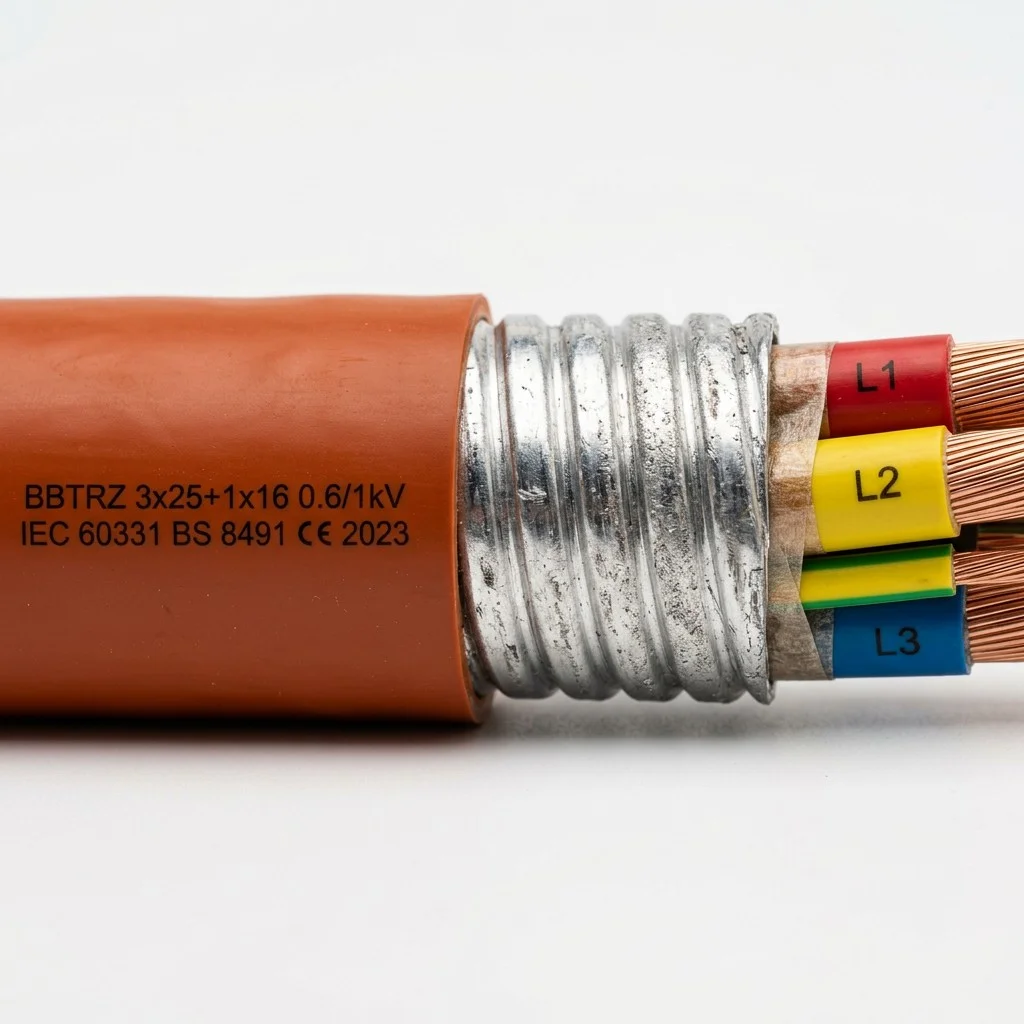
Series illustrations. Actual configuration is subject to the confirmed drawing.
BBTRZ 3+1-Core Flexible Copper Mineral-Insulated LSOH Fire-Resistant Electric Cable for Industrial Power
-
When You'll Get It:Nov 26 - Nov 30
-
Shipping & Support: In-stock items ship in 24 hours; custom orders ship per contract. Free shipping on orders over $10,000. For bulk buys, get a personal support rep and quick reimbursement if anything's defective.
-
Conductor MaterialCopperInsulation MaterialMineral
-
Rated Voltage0.6/1kVSizeNone
-
TypeMulti-Core Power Cable
For industrial power projects, this BBTRZ cable combines a 3+1 arrangement with copper conductors, mineral insulation and an LSOH sheath. The construction is flexible and fire resistant, with a rated voltage of 0.6/1kV. Individual conductor requirements should be recorded alongside the core arrangement.
What belongs beside the 3+1 notation?
Define each conductor's function and required section from the circuit design. The notation does not assign a neutral, protective conductor or reduced-core section ratio. Keep the individual allocation with the equipment connection details so the cable schedule and termination design use the same reference.
Review the industrial route and connection space
Check the approved bending and handling details for the selected flexible construction. Coordinate the route with cable-end preparation and the space available at the equipment. Include compatible terminations in the same review so the proposed installation remains tied to the actual cable build.
Keep the sheath and test criteria precise
LSOH describes the sheath, while mineral describes the insulation and copper describes the conductors. Retain these separate material roles in comparisons with alternatives. Where a project requires numbered IEC, fire, smoke or halogen tests, check those exact conditions for the selected construction and its supporting evidence.
Turn the selection into an order
The available technical option reads 50mm2 with 3+1 cores. Confirm each conductor section and specify the physical cable length separately. Add the approved arrangement, route constraints and cable-end details to the industrial schedule. This gives the final cable configuration a definite reference for reviewing the electrical design, installation requirements and required performance scope together.