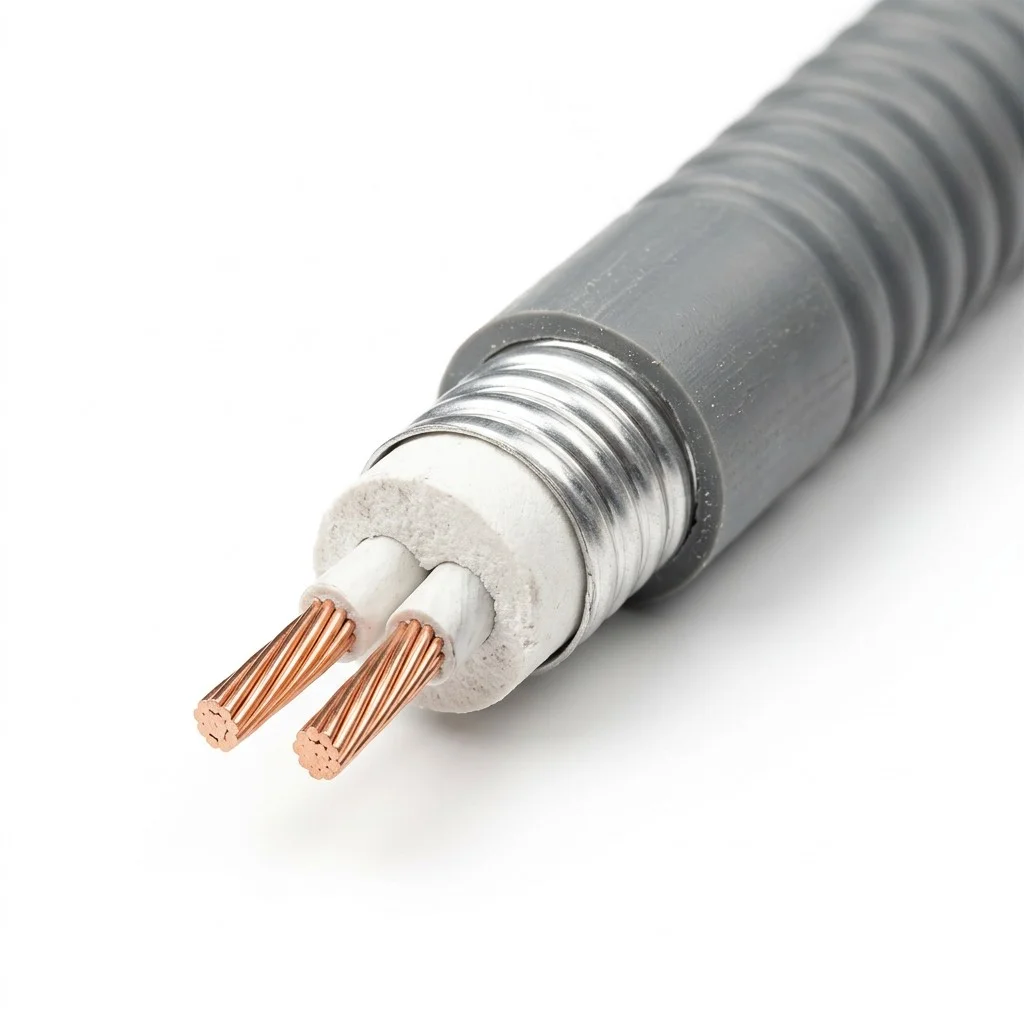
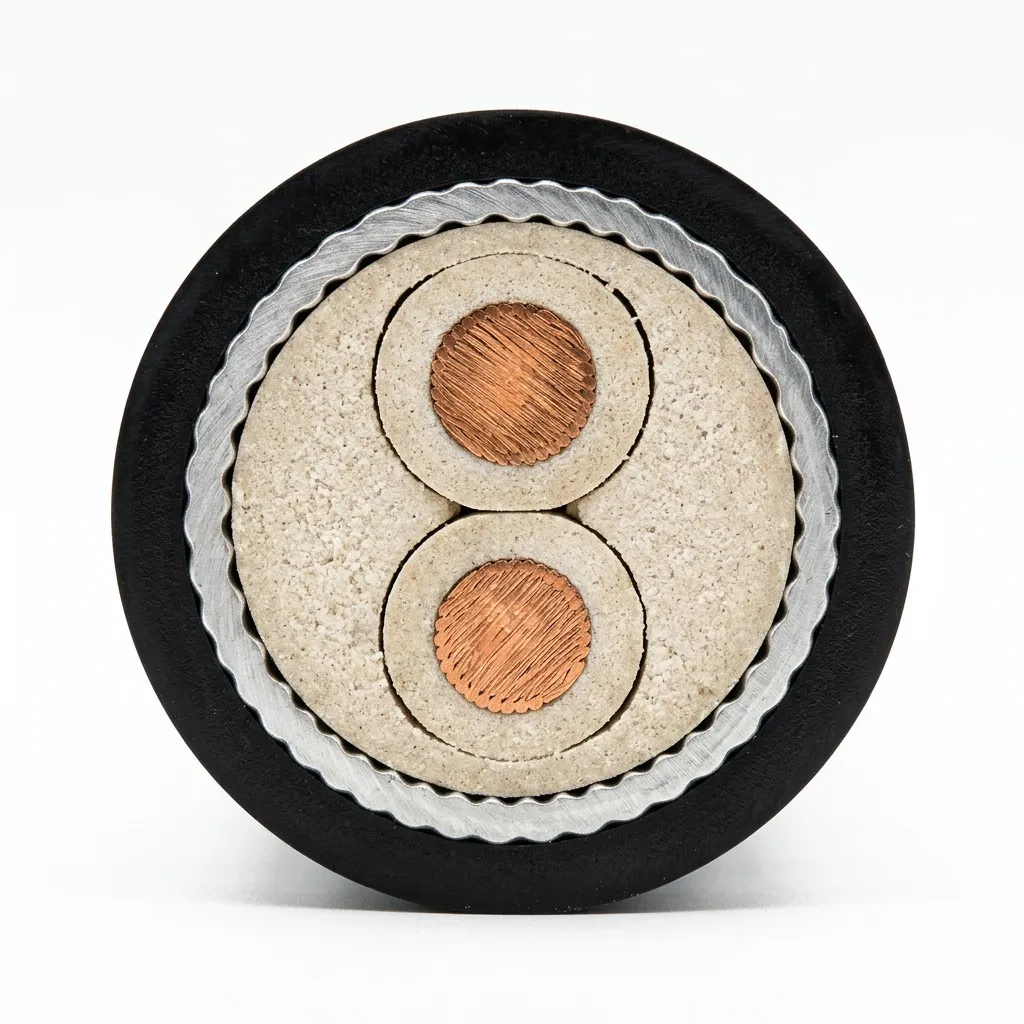
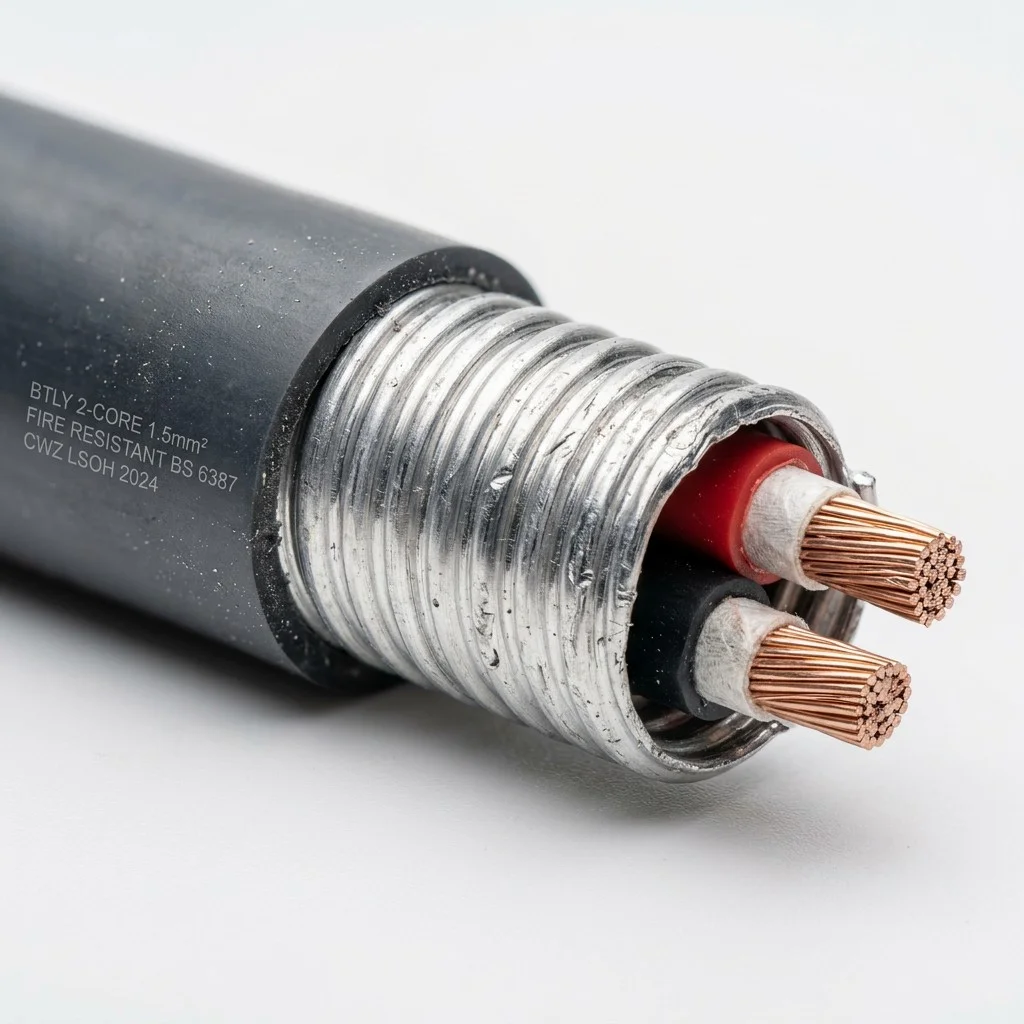
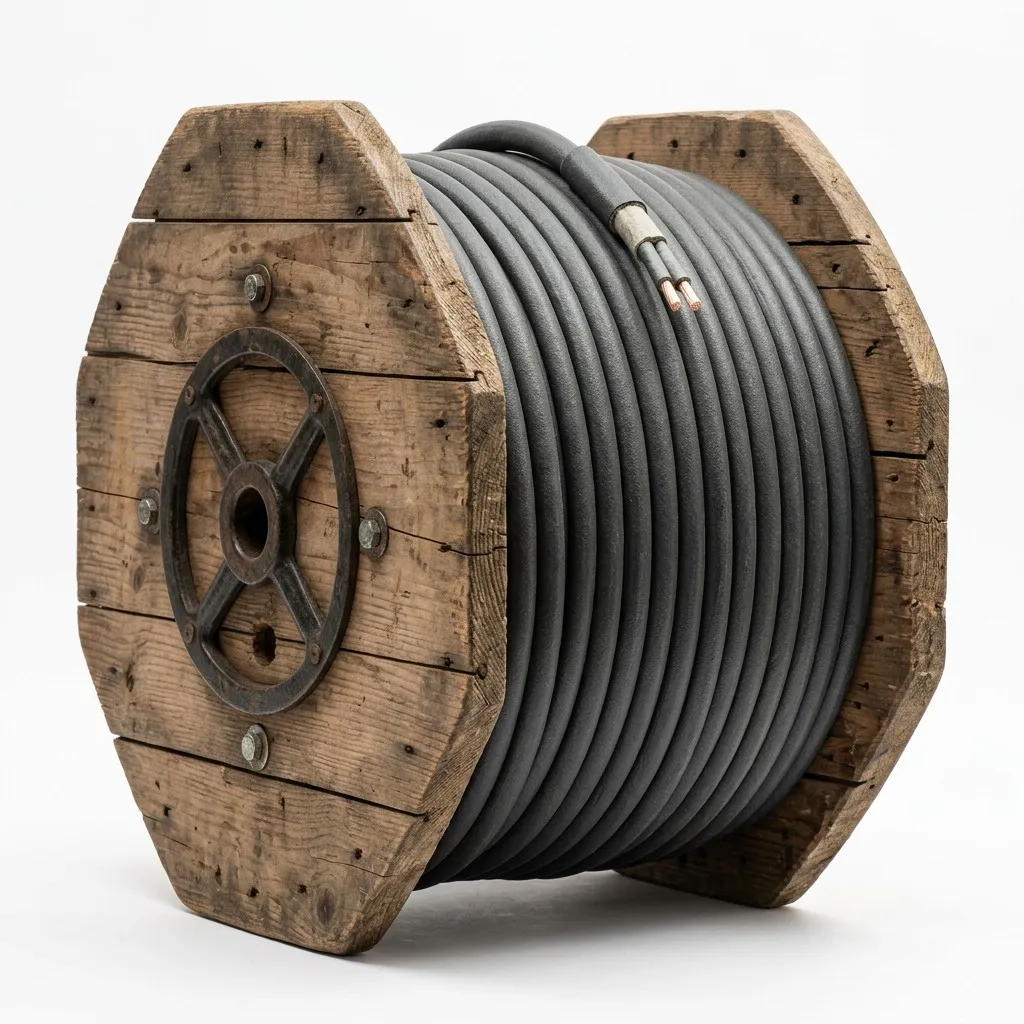
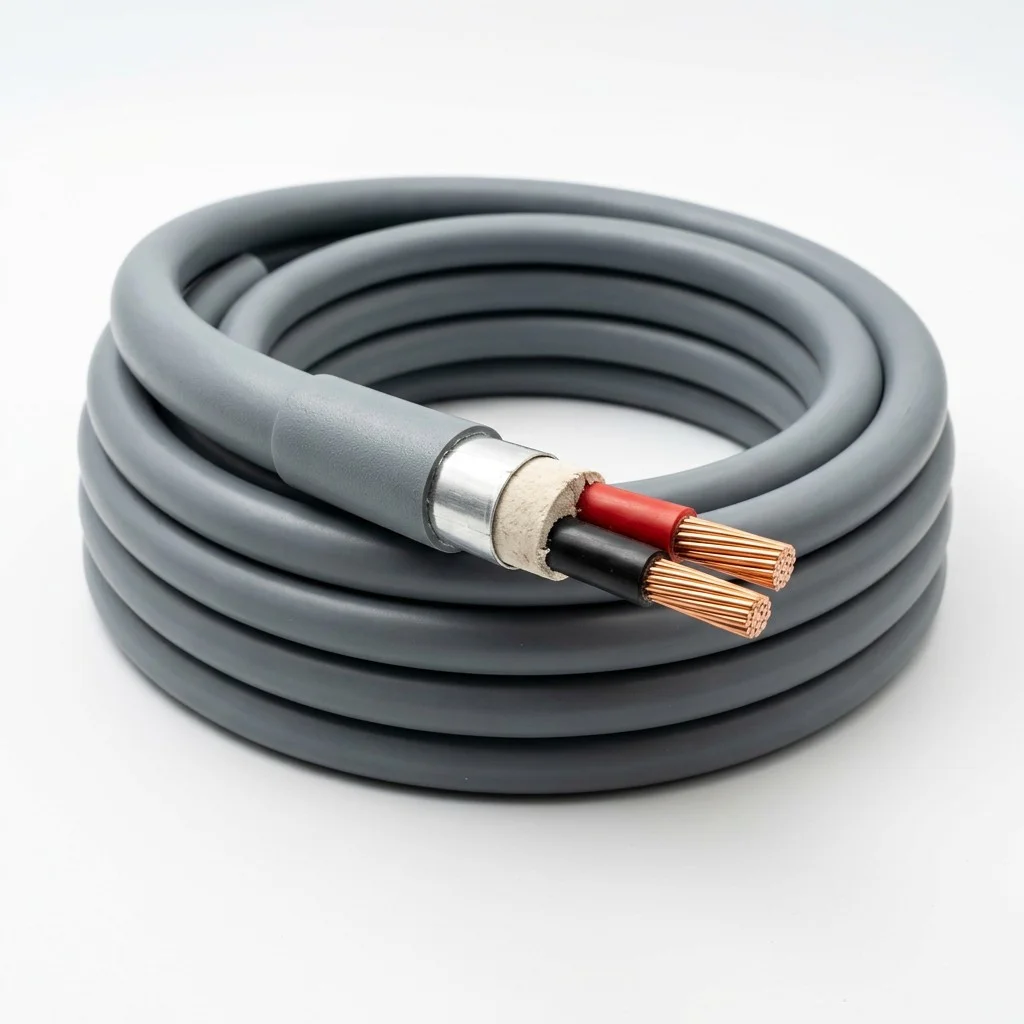
BTLY Flexible Copper Mineral-Insulated Aluminum-Sheathed Fire-Resistant Emergency Power Cable 0.6/1kV
-
When You'll Get It:Nov 26 - Nov 30
-
Shipping & Support: In-stock items ship in 24 hours; custom orders ship per contract. Free shipping on orders over $10,000. For bulk buys, get a personal support rep and quick reimbursement if anything's defective.
-
Conductor MaterialCopperInsulation MaterialMineral
-
Rated Voltage0.6/1kVSizeNone
-
TypeMulti-Core Power Cable
An aluminum sheath forms part of this flexible BTLY mineral-insulated cable for emergency power. The conductors are copper, the rated voltage is 0.6/1kV, and fire resistance is stated for the construction. Agree the complete conductor arrangement with the emergency circuit drawing before finalizing the cable order.
Preserve the actual conductor and sheath materials at the connections
Keep the copper conductor requirement separate from the aluminum sheath requirement, with mineral insulation identified between the specified construction layers. This material description should appear on the drawing used for cable-end preparation and termination selection. A comparison with another emergency cable should use the complete build, so neither the conductor metal nor the sheath is assumed from a family name.
Settle the conductor arrangement and installation together
The electrical drawing needs a definite core layout, with a required section and function for each conductor. Retain the equipment connections and proposed cable ends beside that allocation. For the selected flexible build, review applicable bending and handling instructions with the route and available connection space. The approved construction should be the reference for the cable schedule and termination review as the emergency installation is completed.
What makes the emergency order definite?
For a selection identified as 50mm2, confirm each required conductor section after the final arrangement is agreed. Give physical cable length independently and retain the copper/mineral/aluminum-sheath construction and end requirements in the order description. Where the project specifies an IEC method, fire-test criterion or acceptance conditions, identify them exactly and review the selected build and evidence for the required installation. Keep that construction reference with the final emergency schedule.