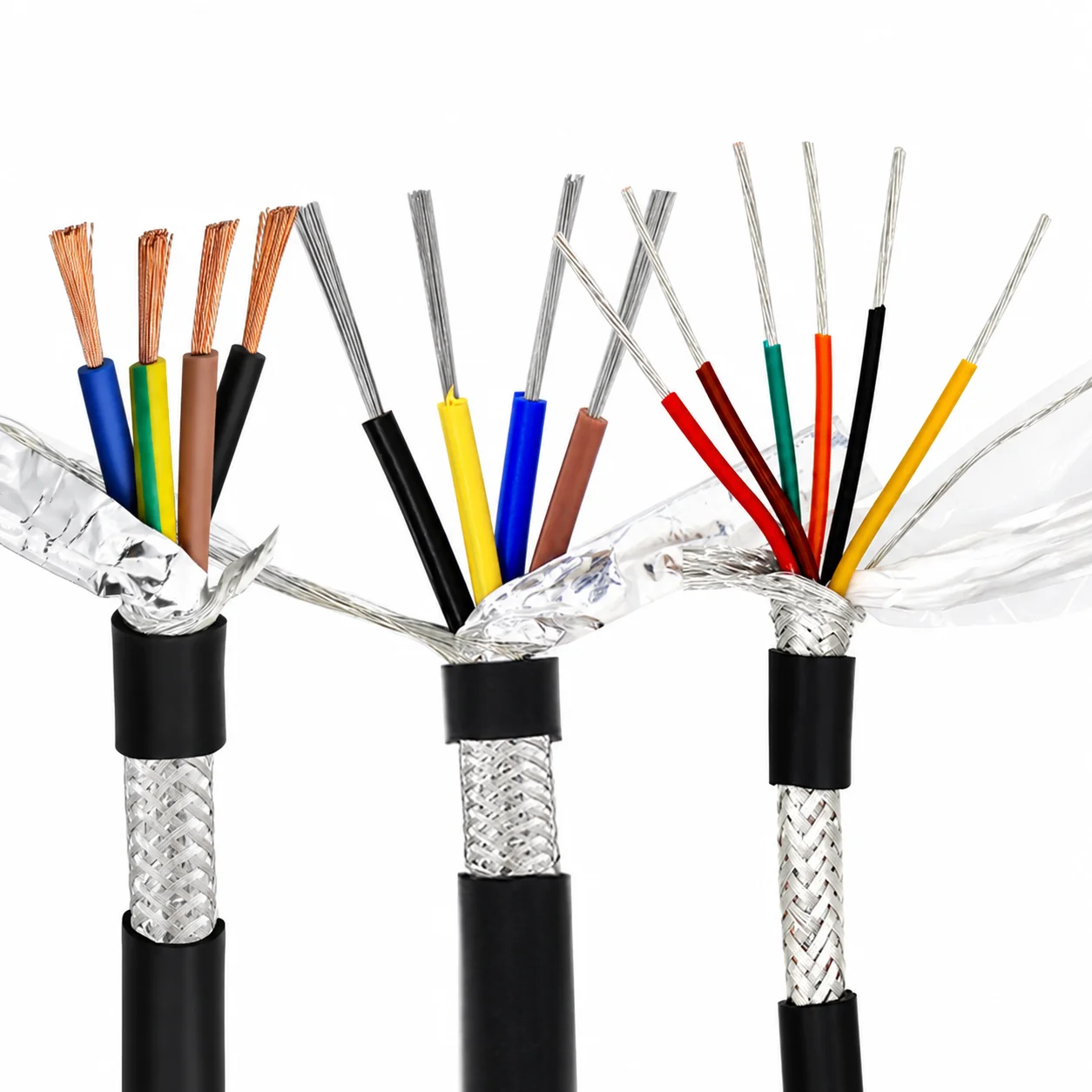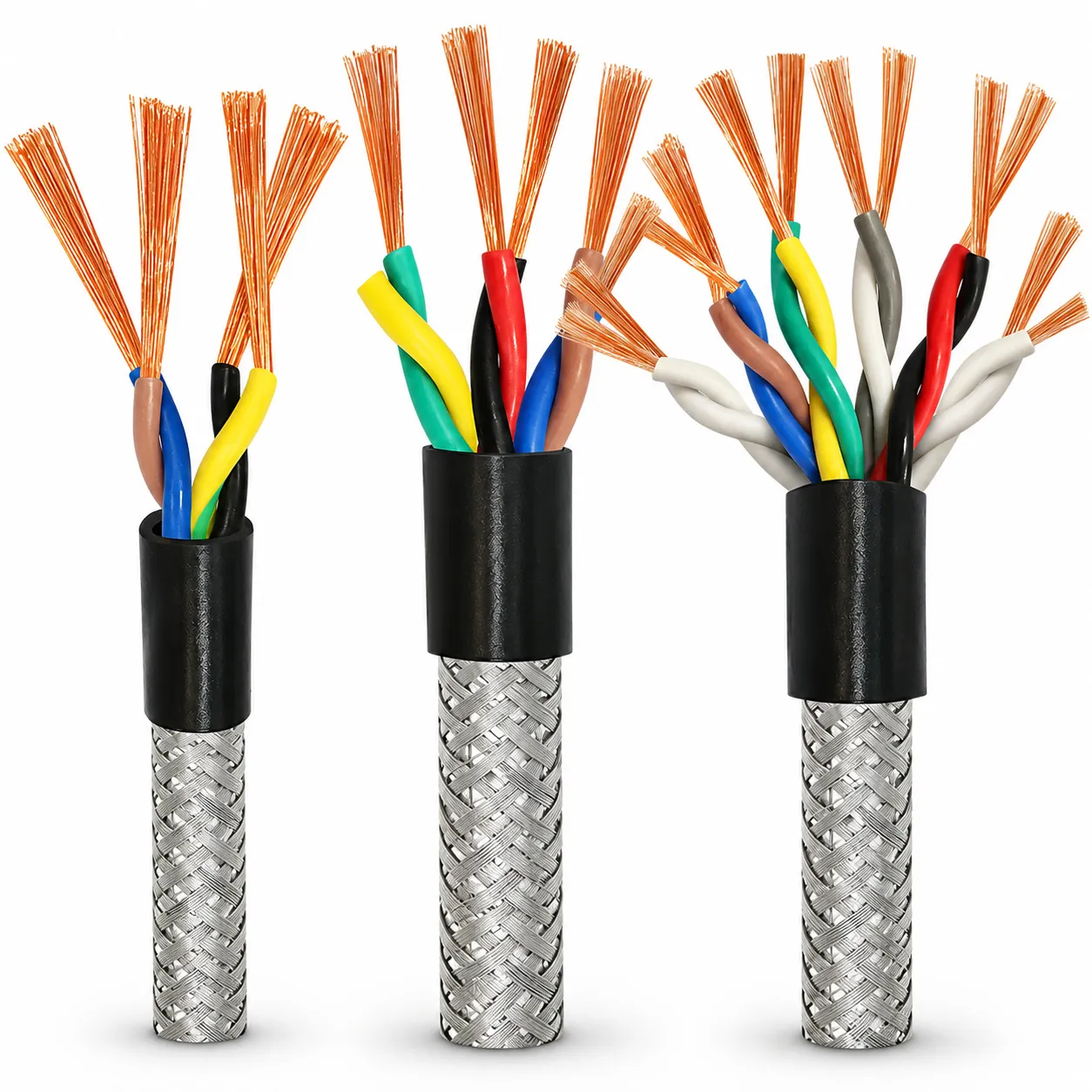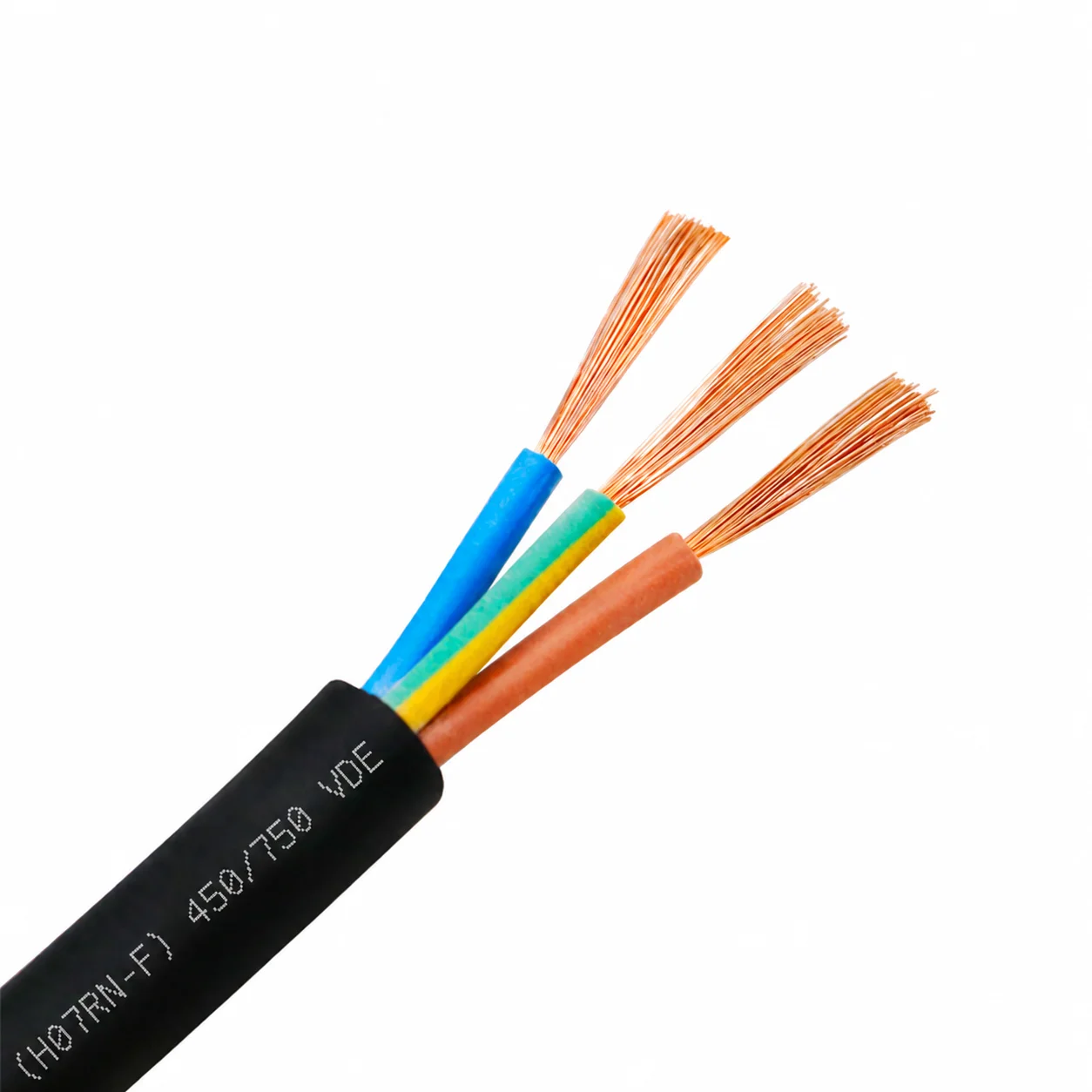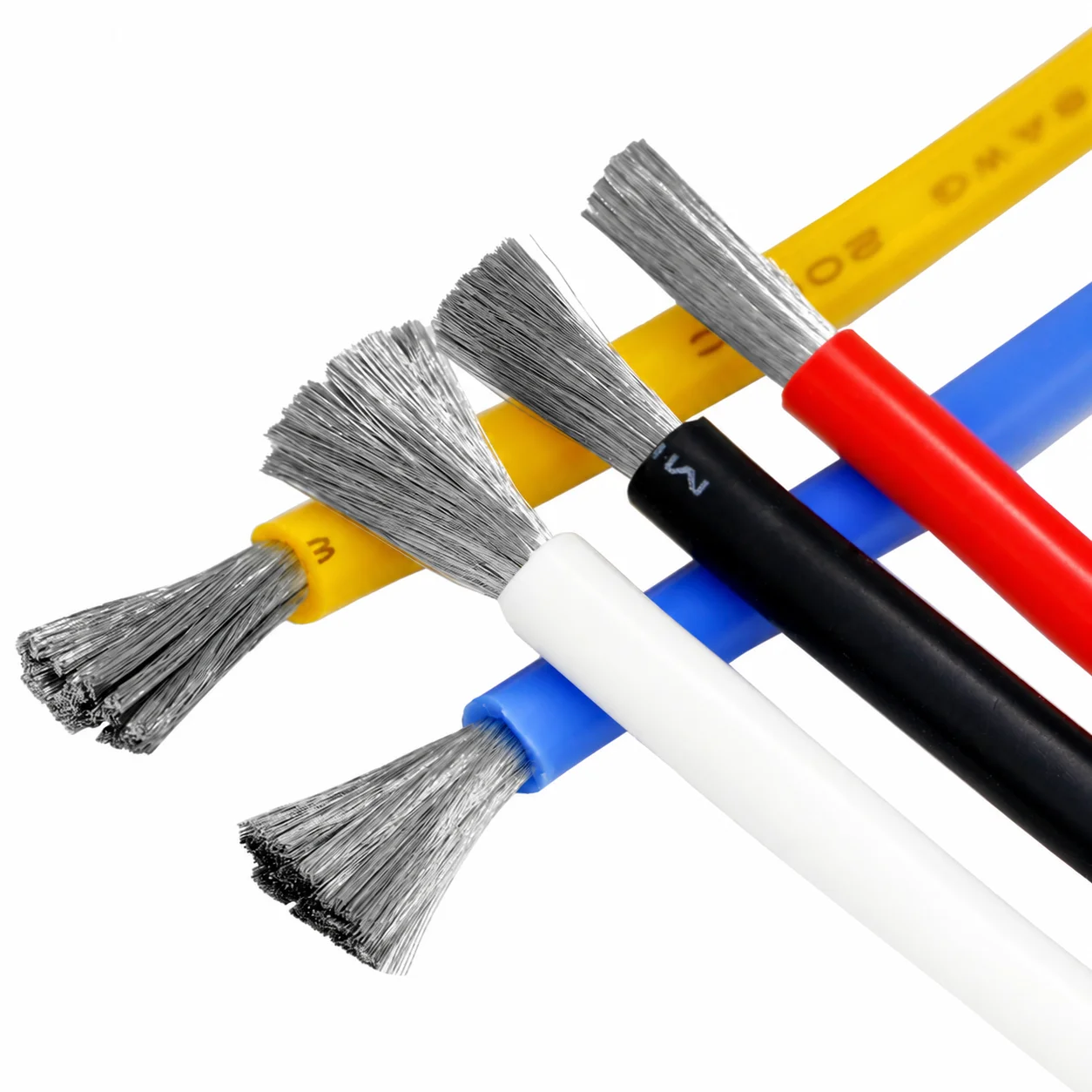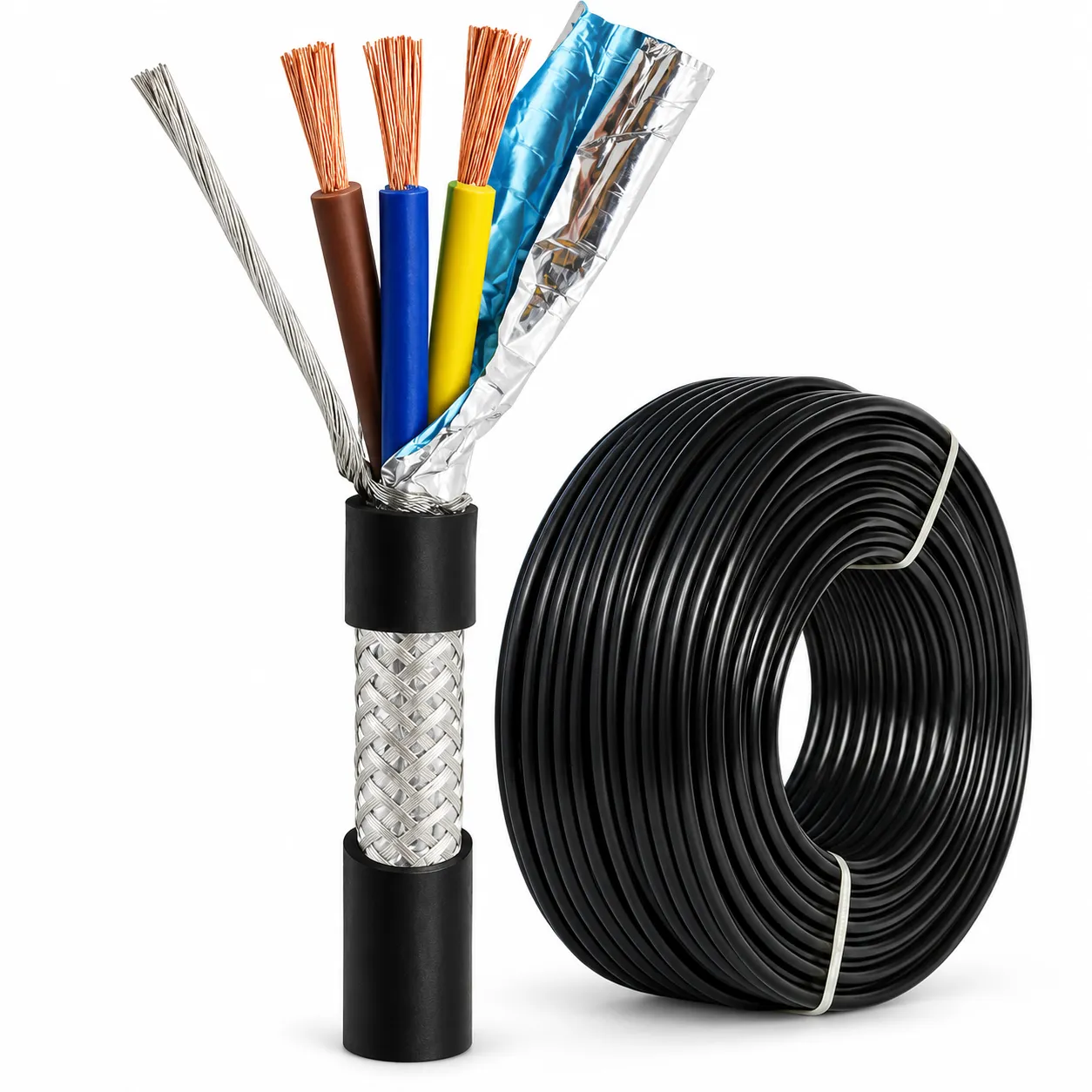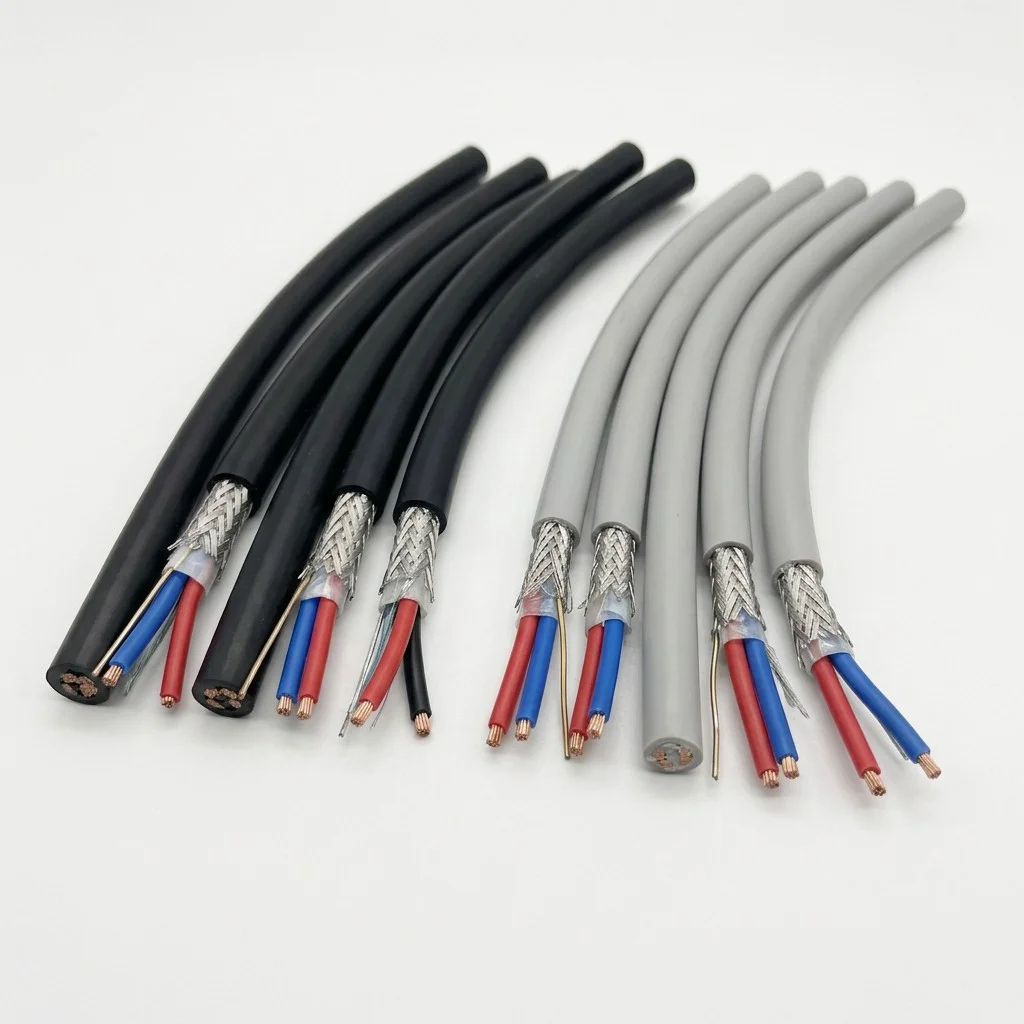
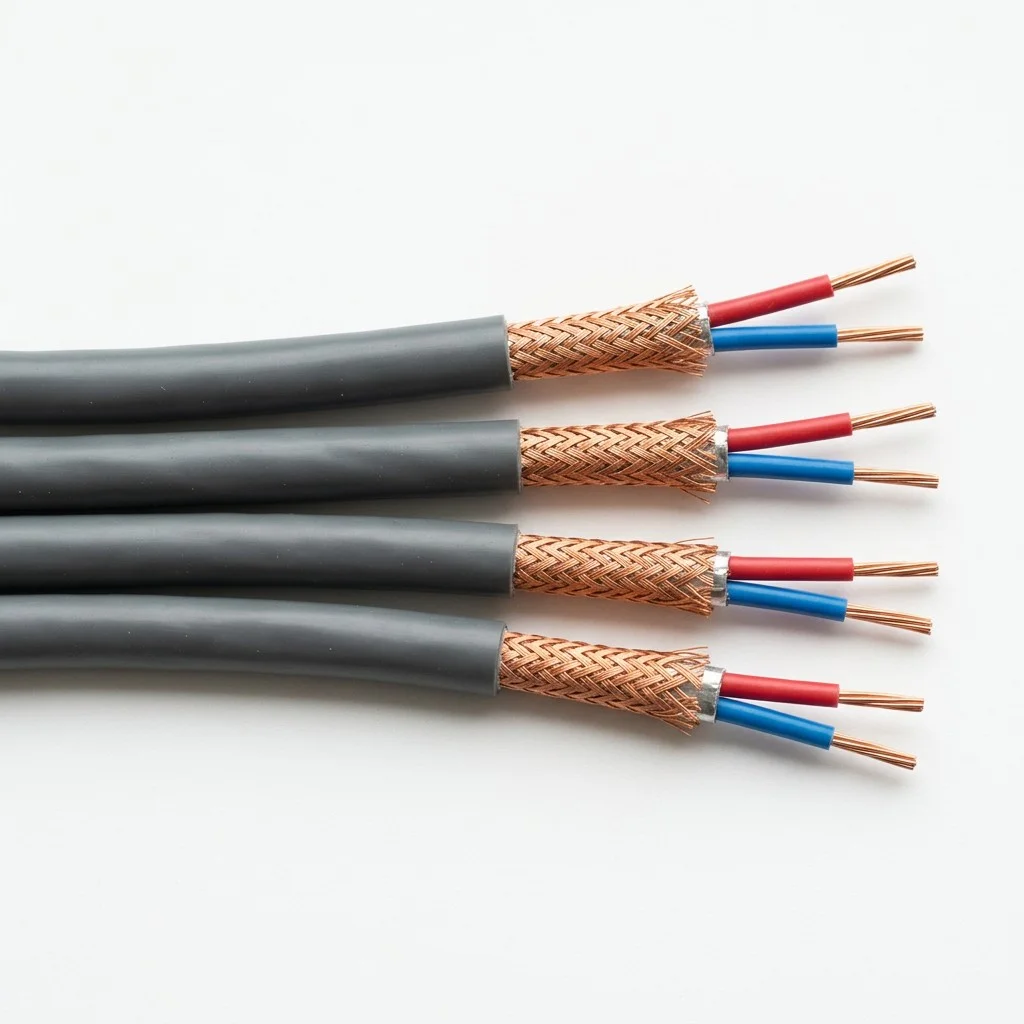
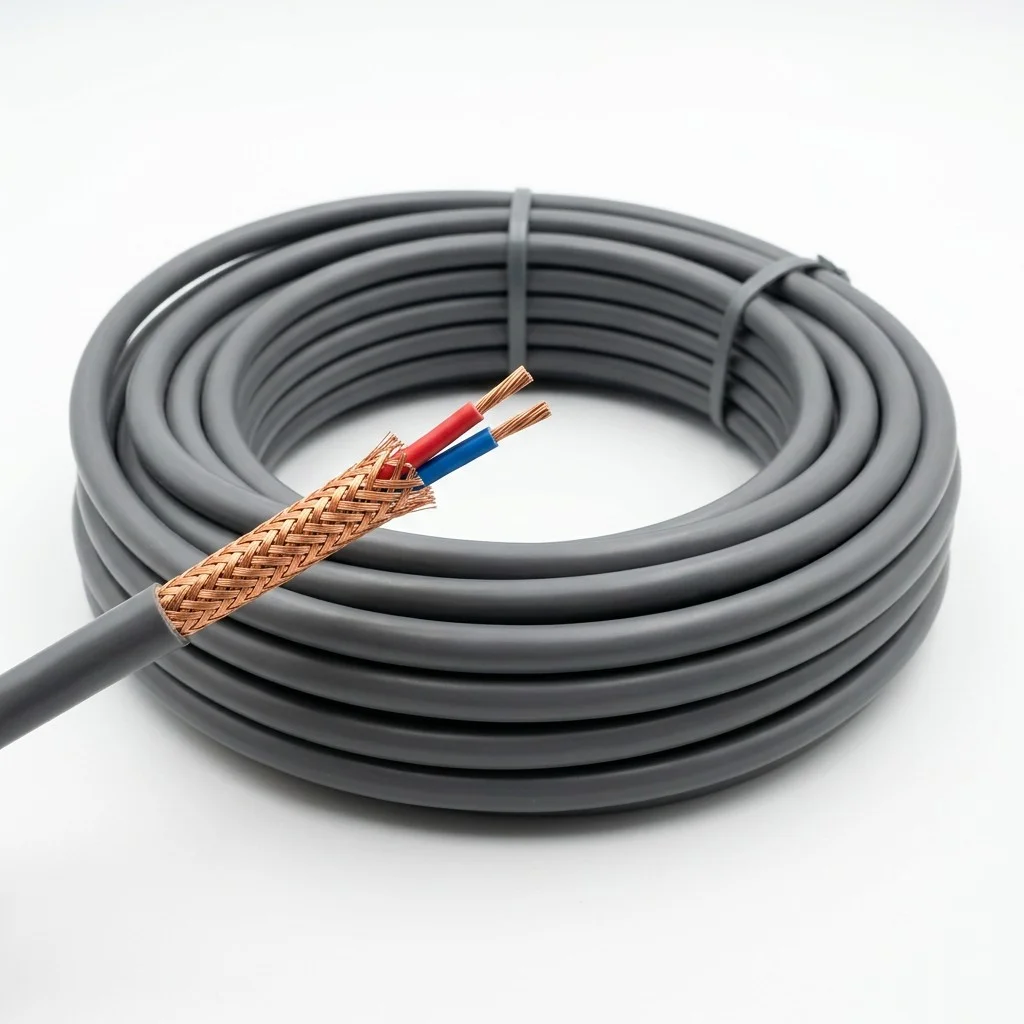
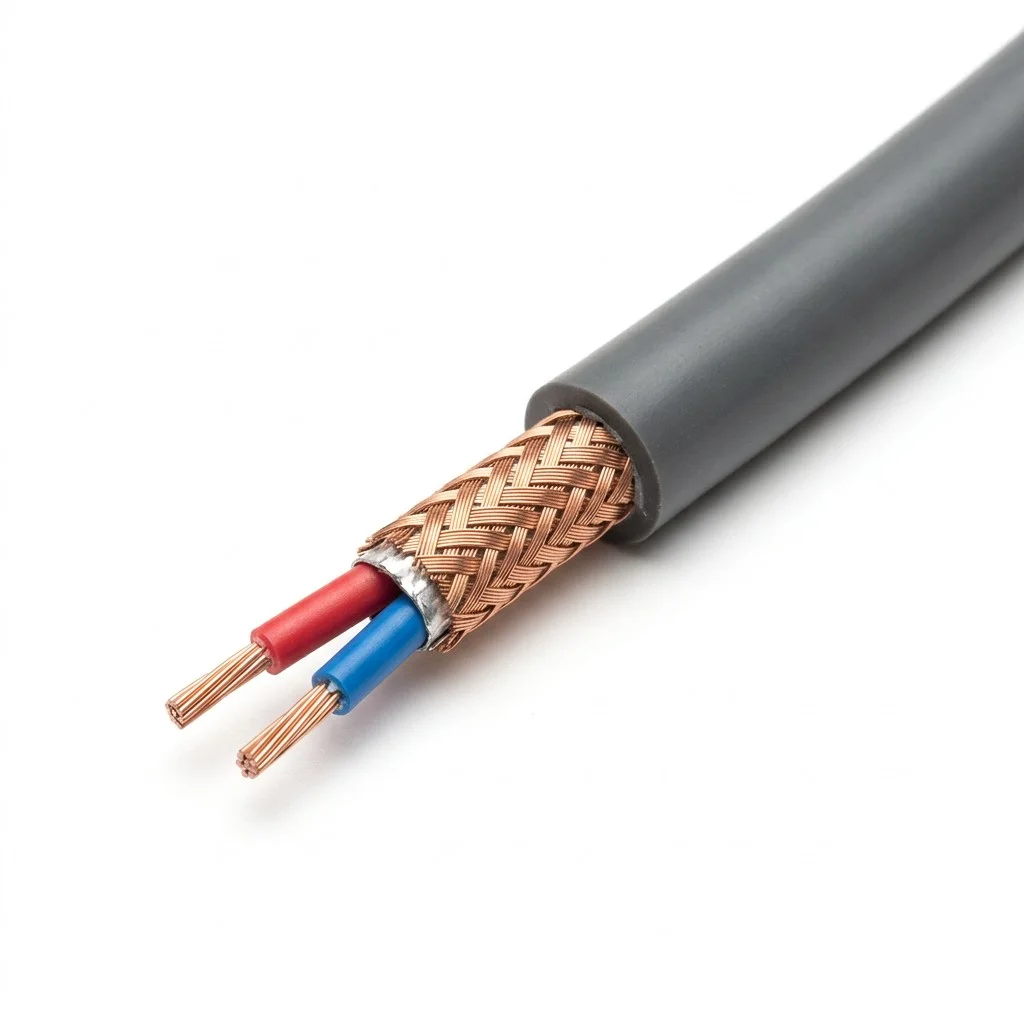
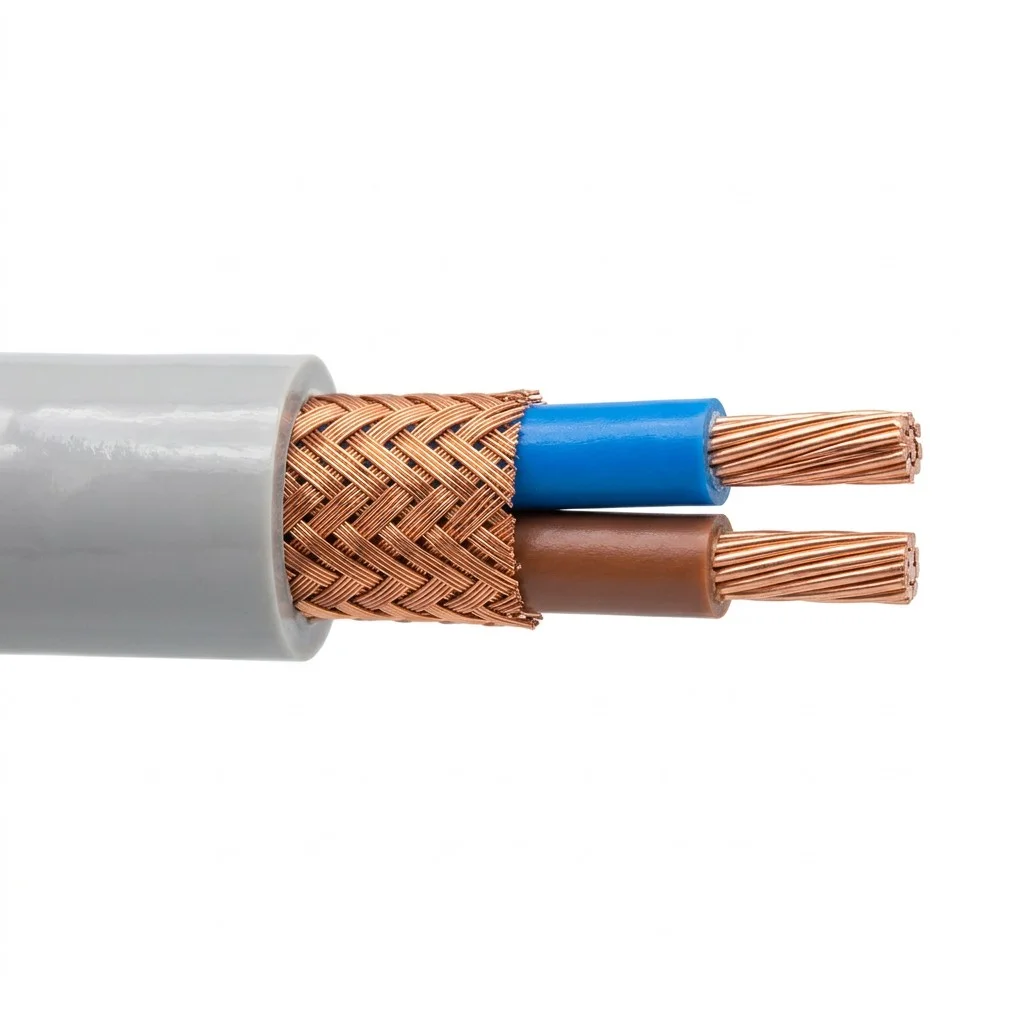
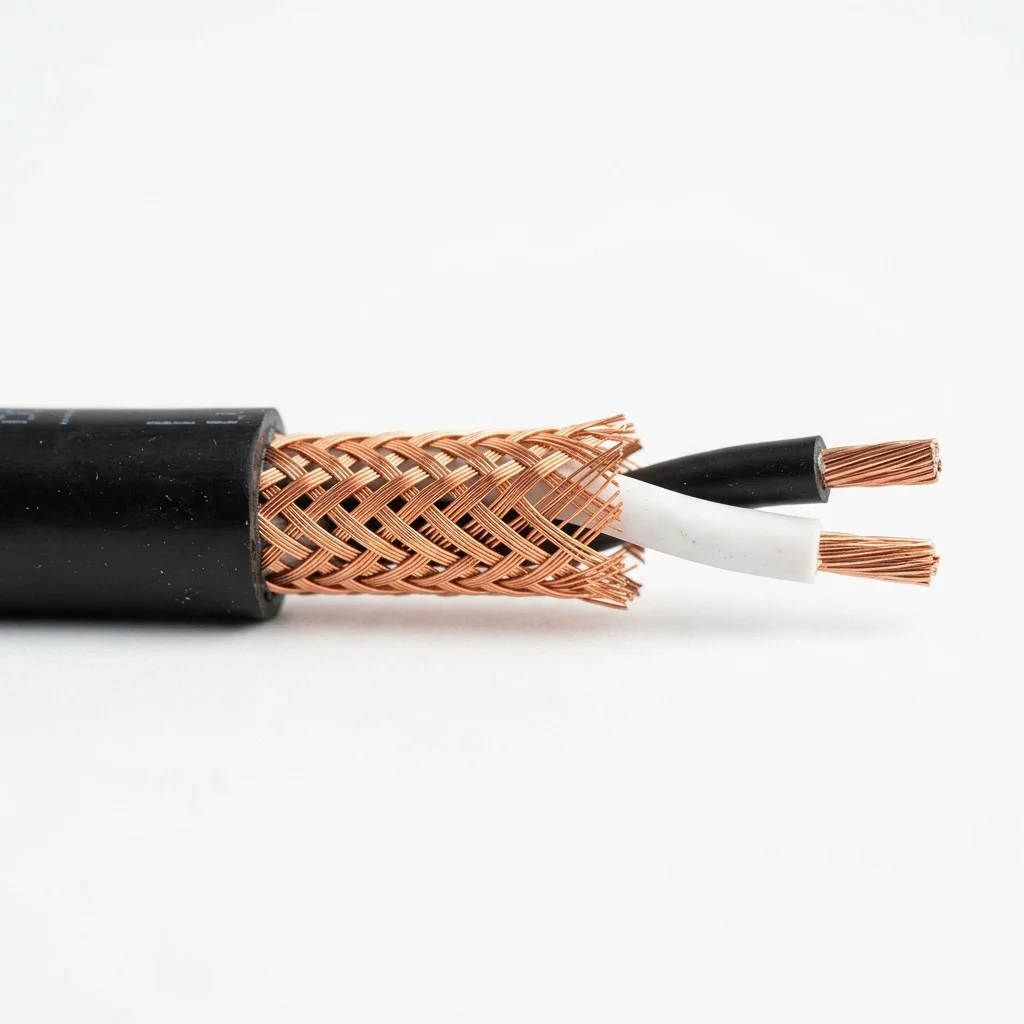
Equipment-connection enquiries include RVVP two-core flexible copper screened control cable with PVC insulation and a PVC sheath at 300/300V. A −10 to 70°C working range is specified for the described construction. Identify the actual control/electrical interface and role of each conductor.
Specify the twin conductors and selected shield at the equipment contacts
Give conductor-size units and required strand construction for the intended circuit roles. Define finished layer dimensions, cable geometry and shield construction/material. Include shielding termination, equipment contact allocation and required connection lengths in that twin-core drawing.
What equipment conditions determine the conductor and shield choice?
Describe the interface voltage and load carried by the actual circuit. Give full thermal requirements and the route’s movement conditions and exposure. Compare that operating brief with the selected conductor dimensions, shield connection and terminal fit.
Identify the electrical, thermal or screening evidence required for this equipment connection. Provide the chosen conductor and shield-material drawing with its finished layers. Associate the requested scope with the actual contact allocation, route geometry and cable lengths for the intended installation.
Request the reviewed twin-core equipment construction in finished lengths
Send the selected conductor/shield and terminal drawing with required cable lengths and quantity. Identify the individual equipment connections and their finished dimensions. Retain actual circuit load and the complete thermal/route brief in the supply request to identify the intended screened cable version.