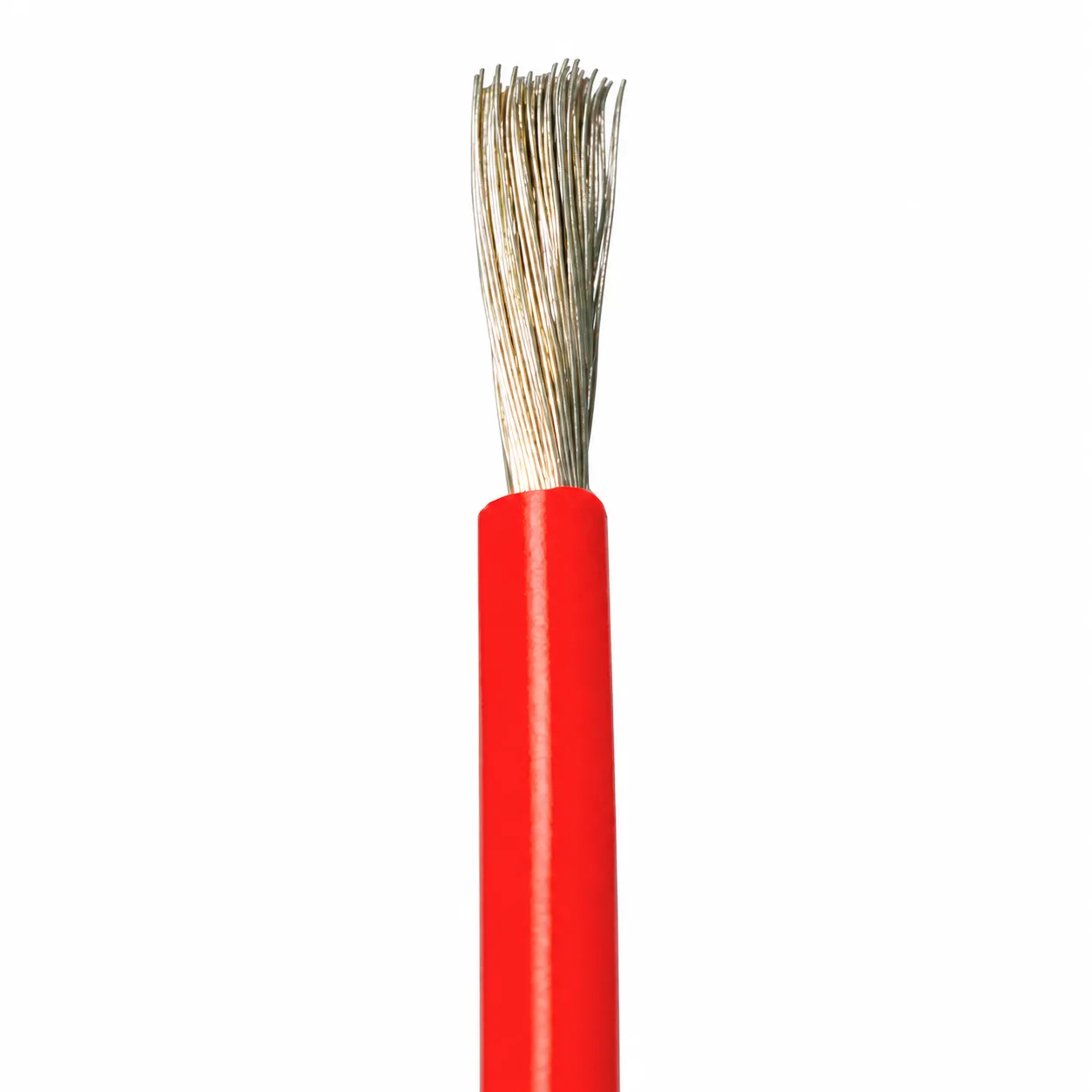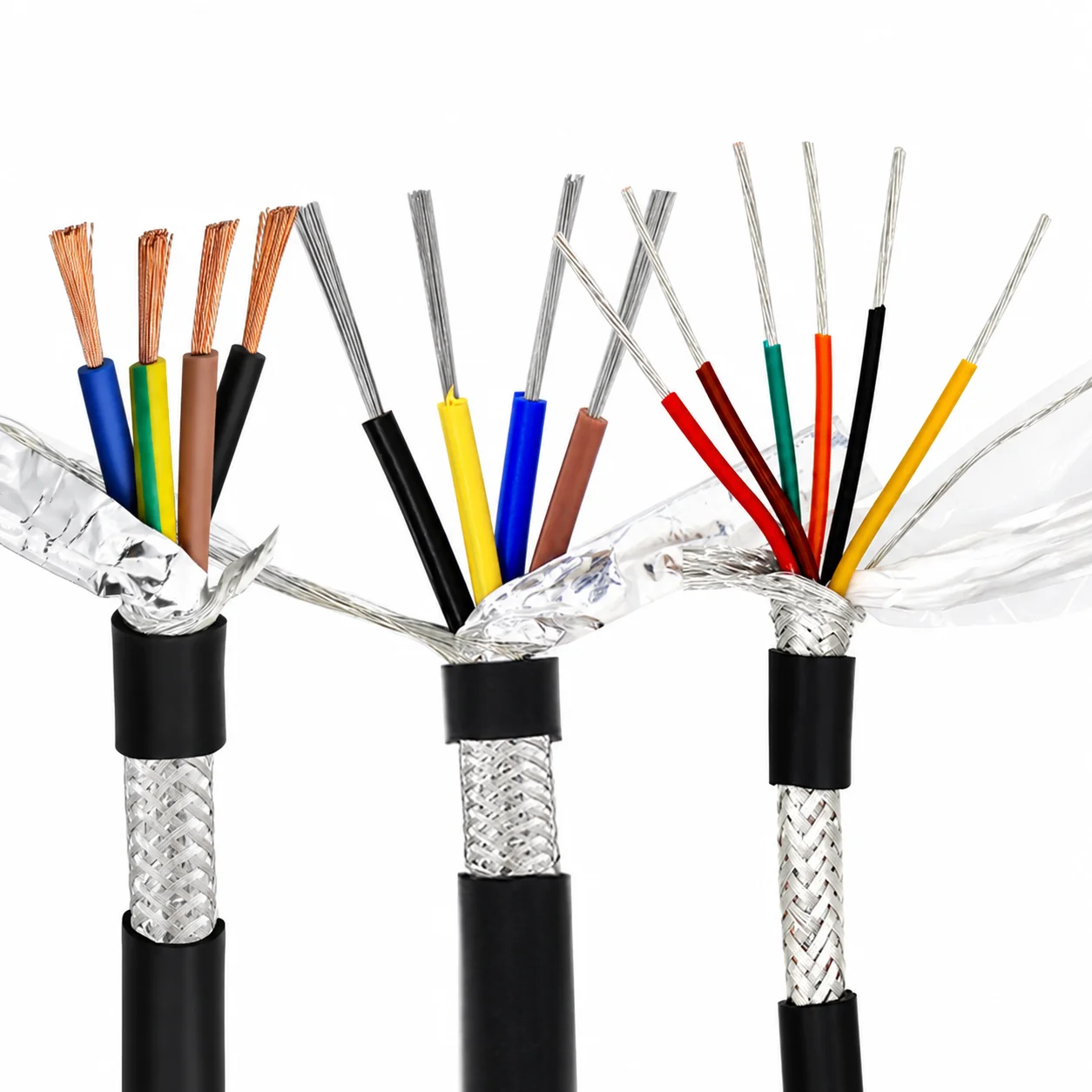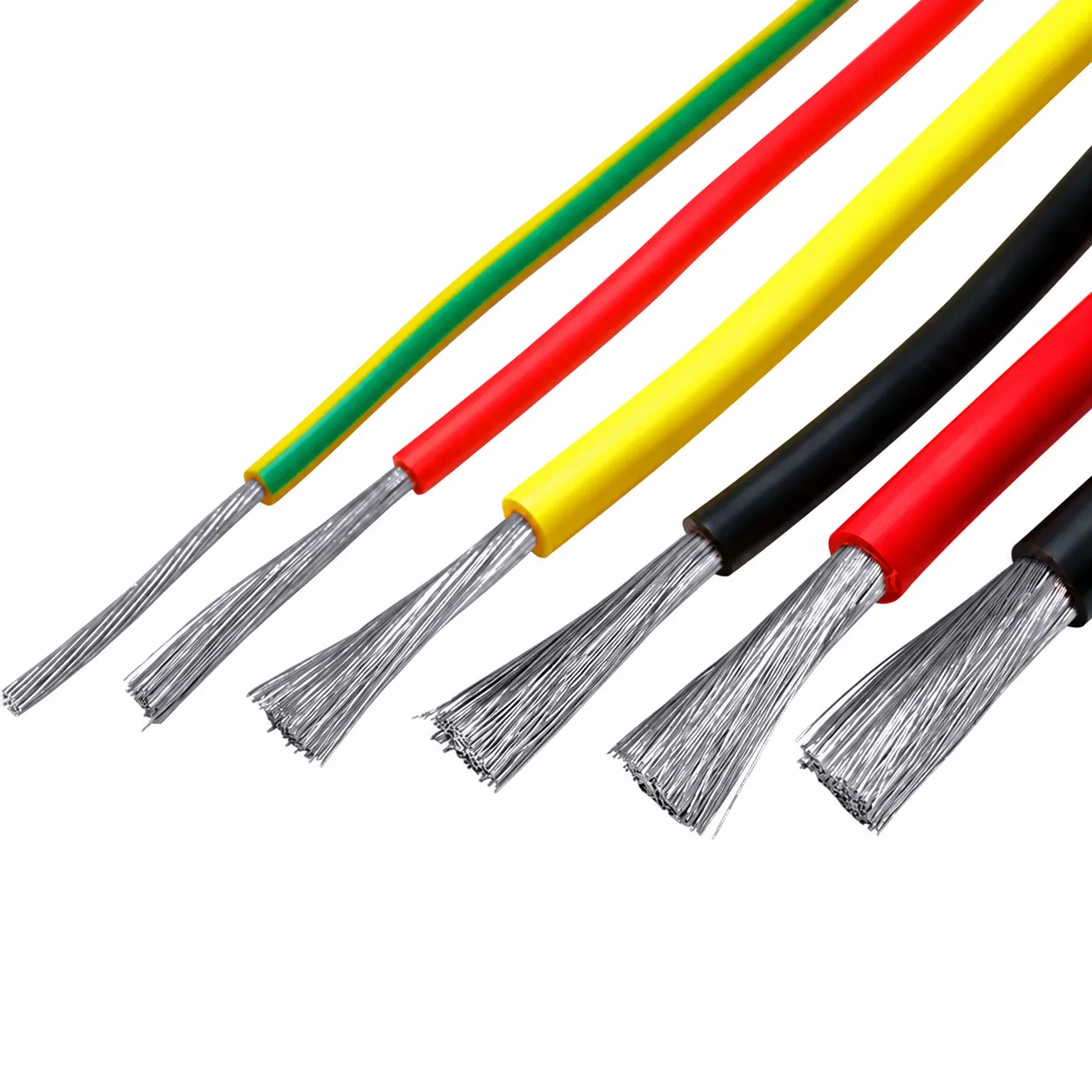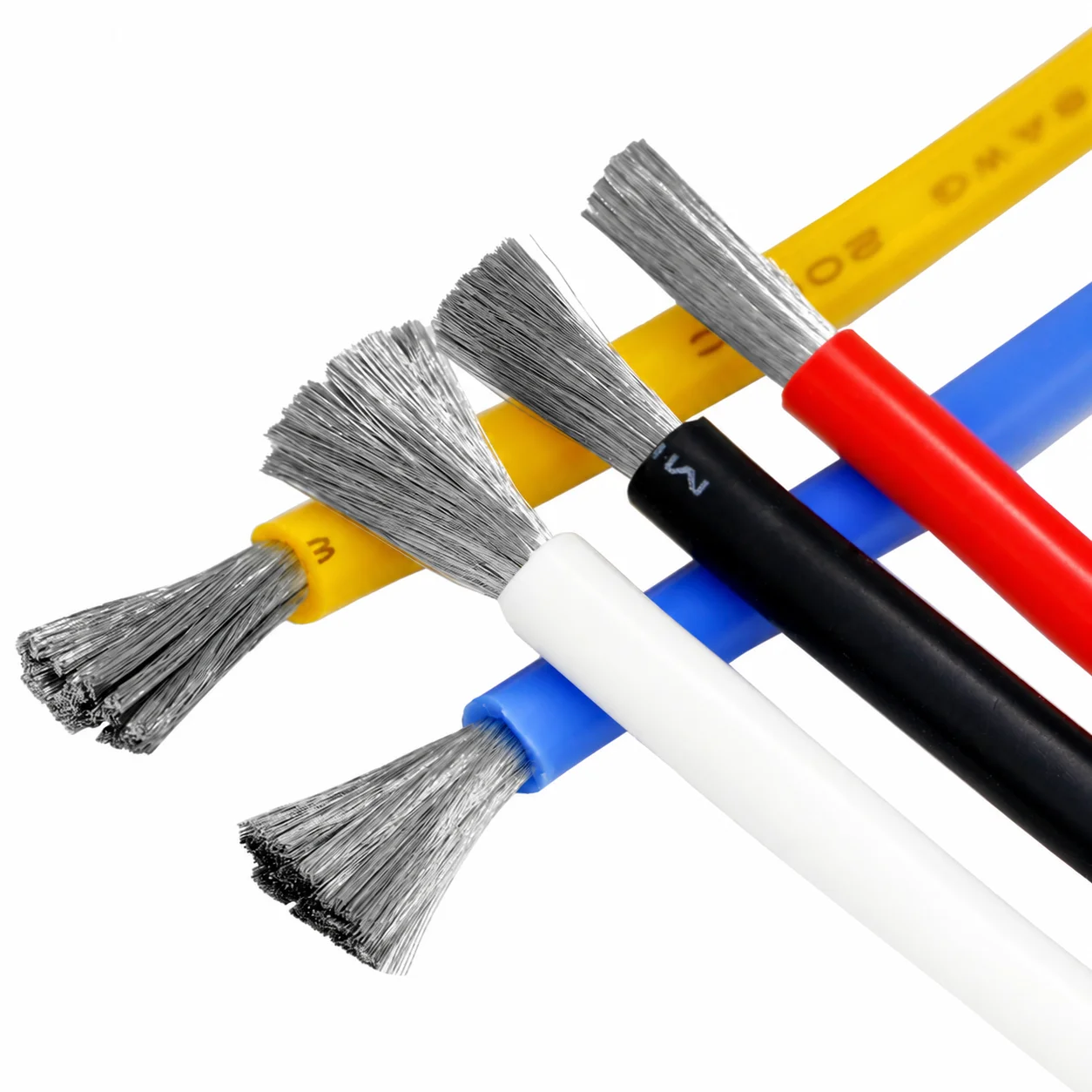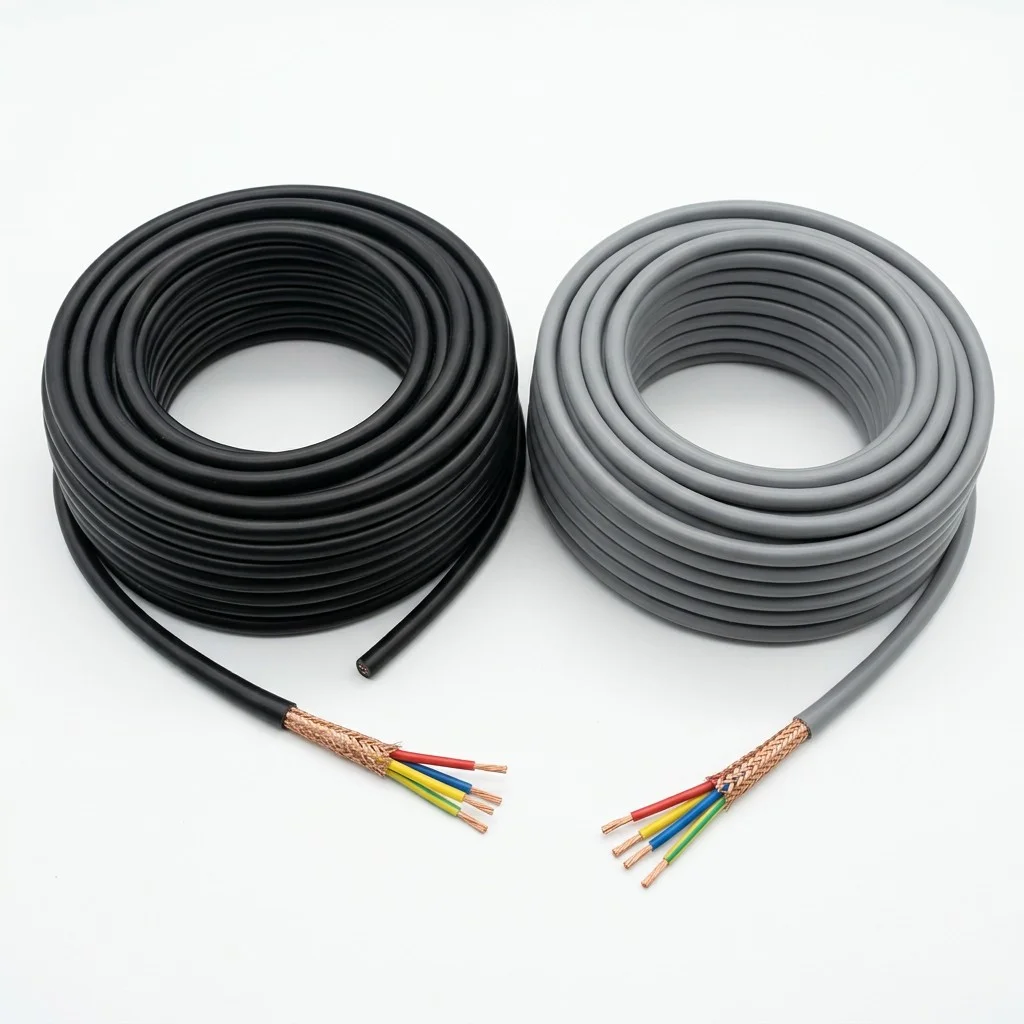
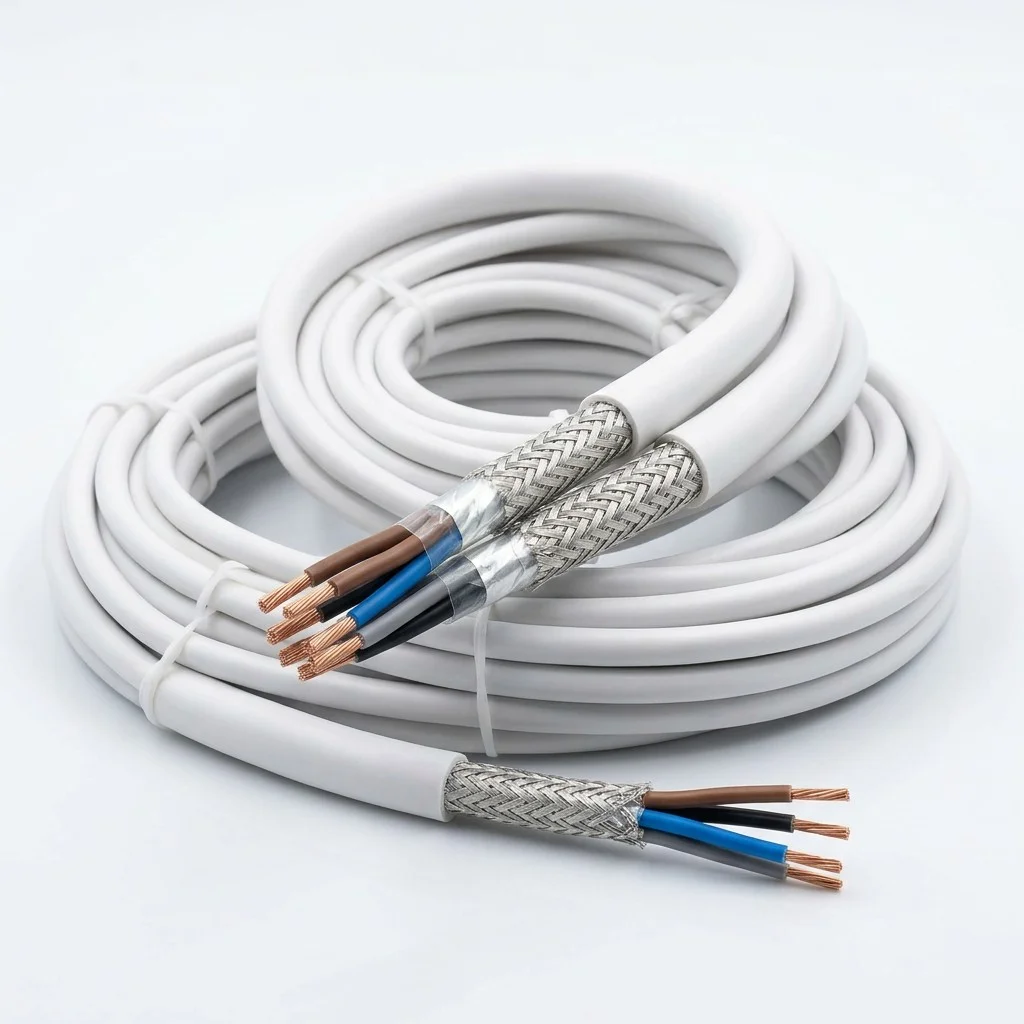
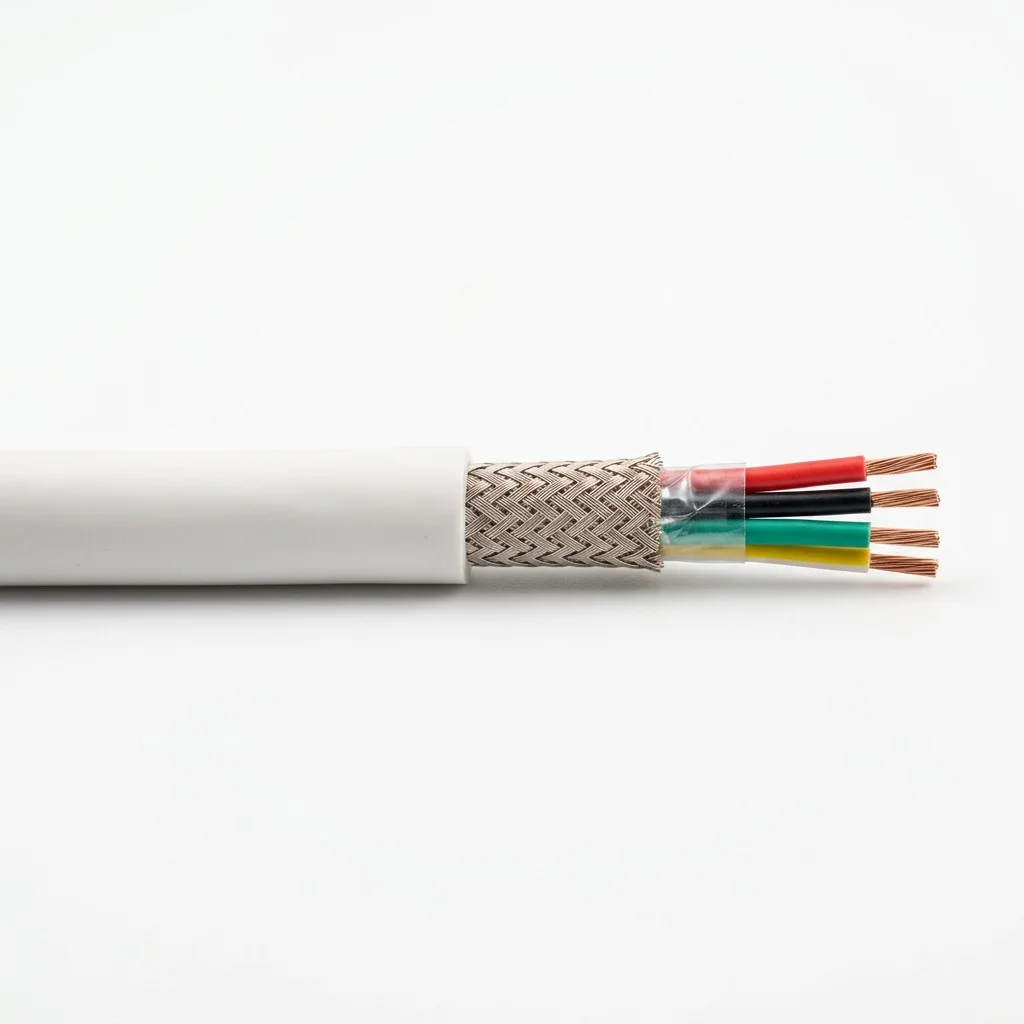
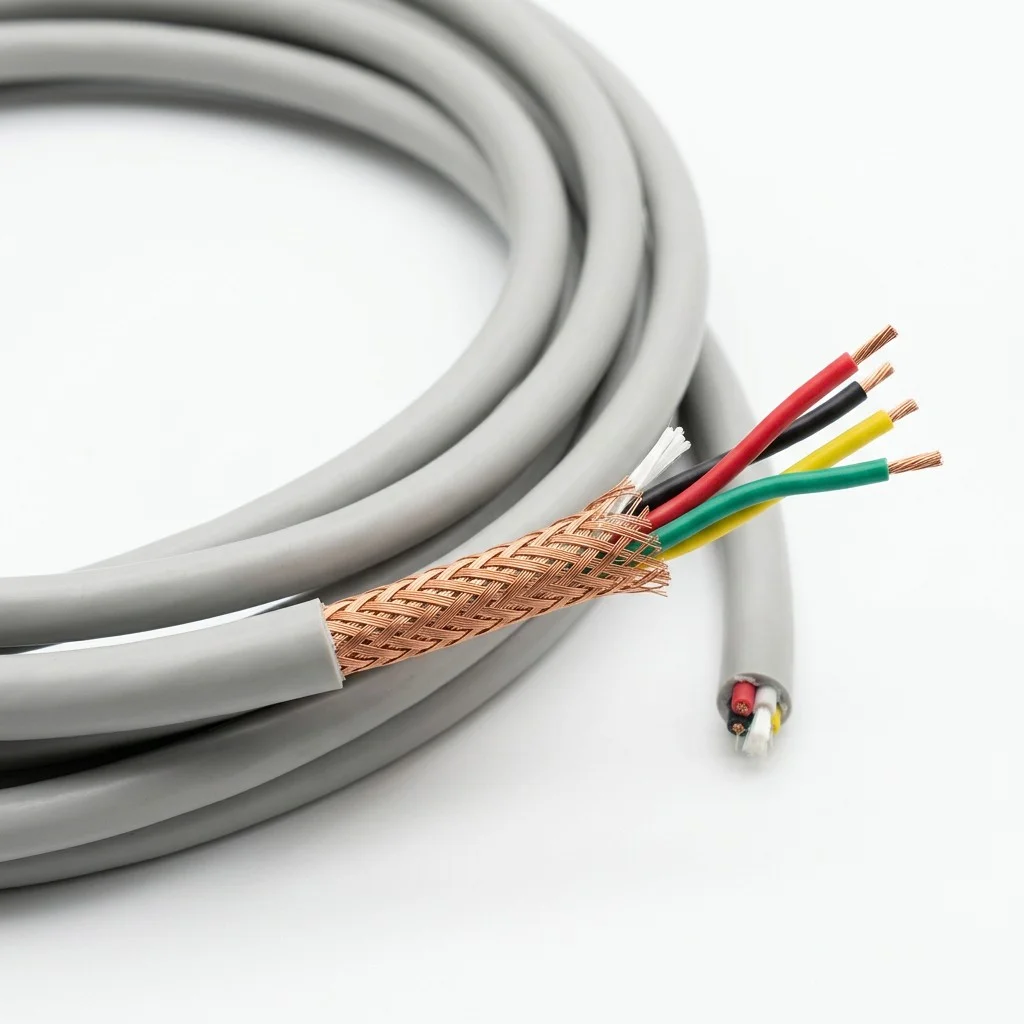
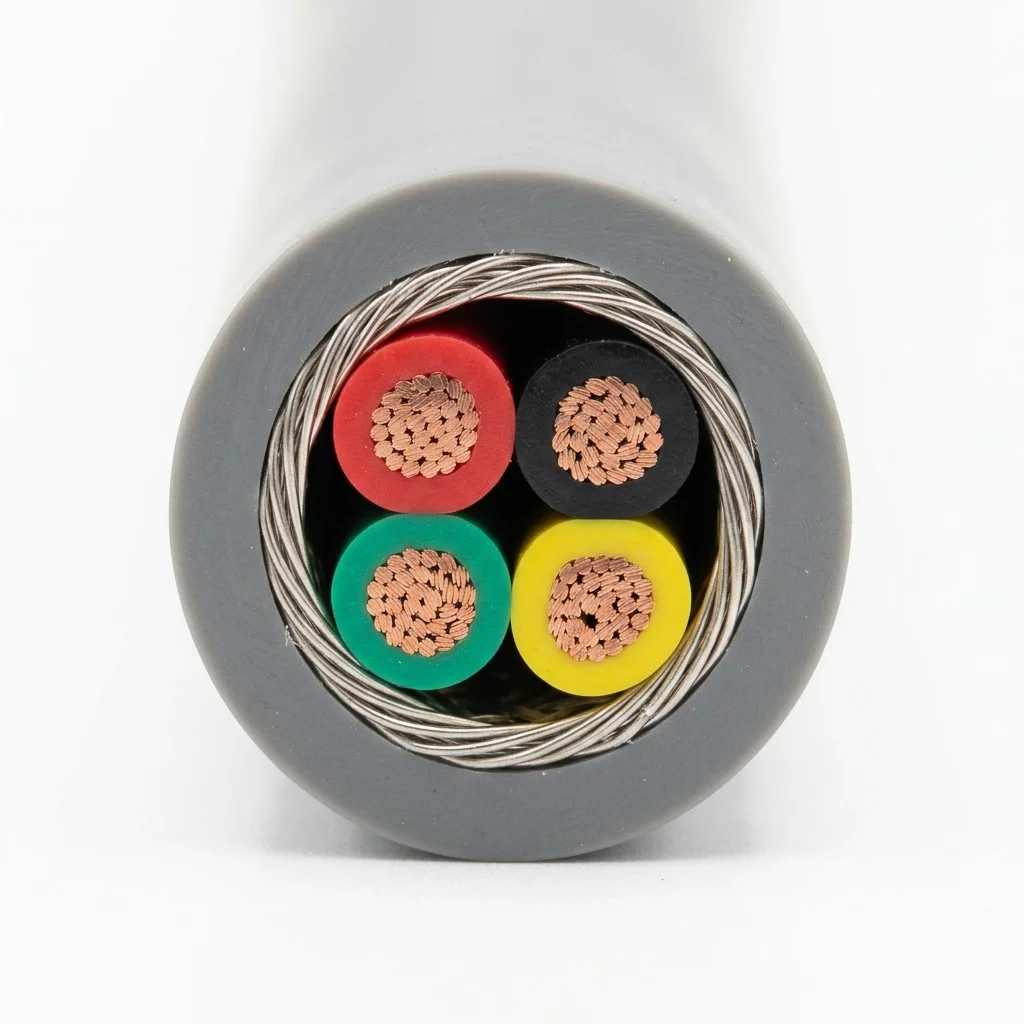
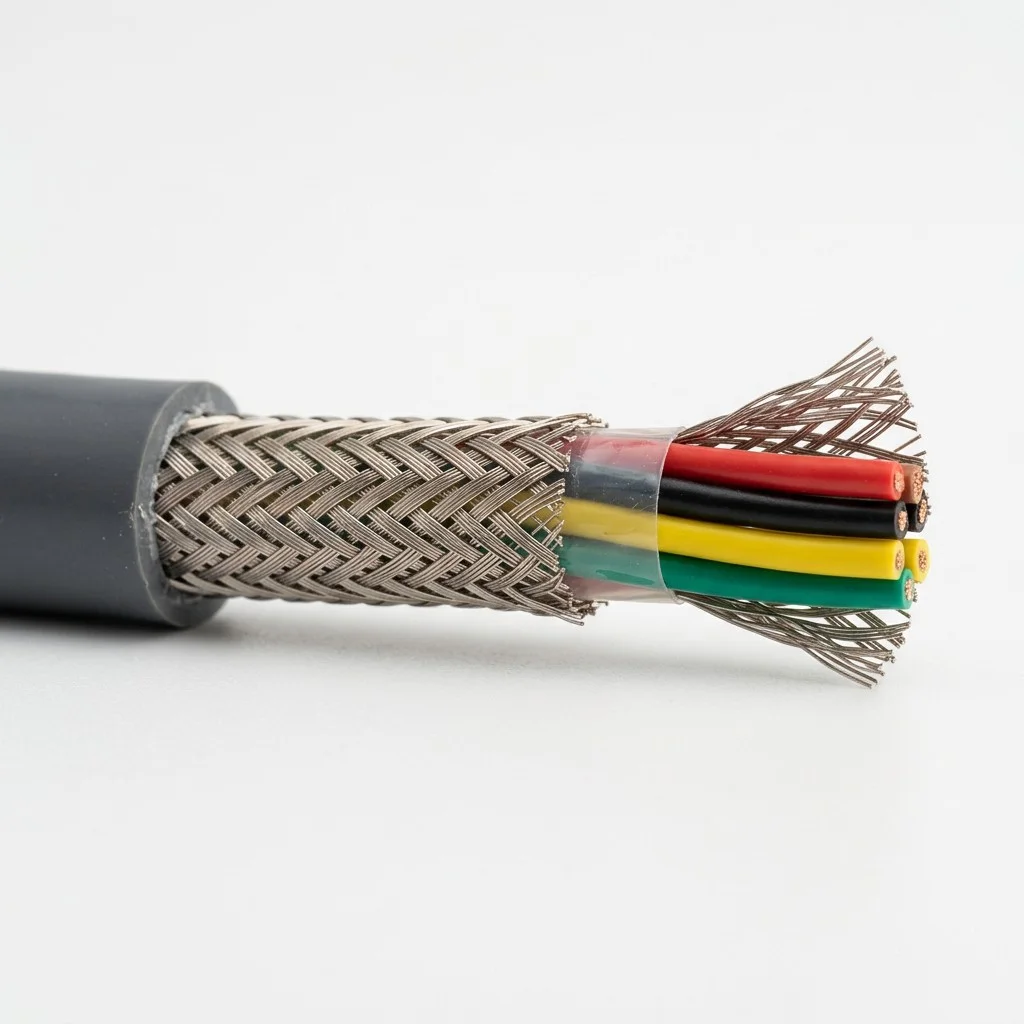
RVVP equipment signal-cable enquiries feature flexible copper construction, PVC insulation, braided shielding and a PVC sheath at 300 V. The featured core request is four, while the actual catalogue option is two-core. The described working range is −10 to 70°C.
Start with the receiving-equipment circuit map
Identify the signal interface, operating voltage and load. Agree the required two- or four-core construction before assigning each conductor to its equipment terminal. State conductor sizes with their units, strand requirements and end preparation. Retain the confirmed count and terminal destinations on one reviewed RVVP drawing.
Specify the braided screen around that core arrangement
Define braid material, construction and finished dimensions for the selected cable. Show screen treatment and connections at both ends, including the receiving-equipment requirements. Keep the PVC insulation and sheath dimensions with the complete core/braid geometry. Request any needed screening information for that actual connection and installation.
- Conductor reference
- Copper.
- Insulation and sheath
- PVC.
- Featured voltage
- 300 V.
- Stated temperature range
- −10 to 70°C.
Complete the route and finished-length schedule
Describe cable movement, route, exposure and the full equipment thermal requirements. Retain the selected flexible construction and stated working range with those conditions. Request applicable electrical or thermal information for the proposed build. Include required connection lengths and quantity with the approved core-count, braid and terminal drawing so the supplied cable can be compared with the real equipment signal path.