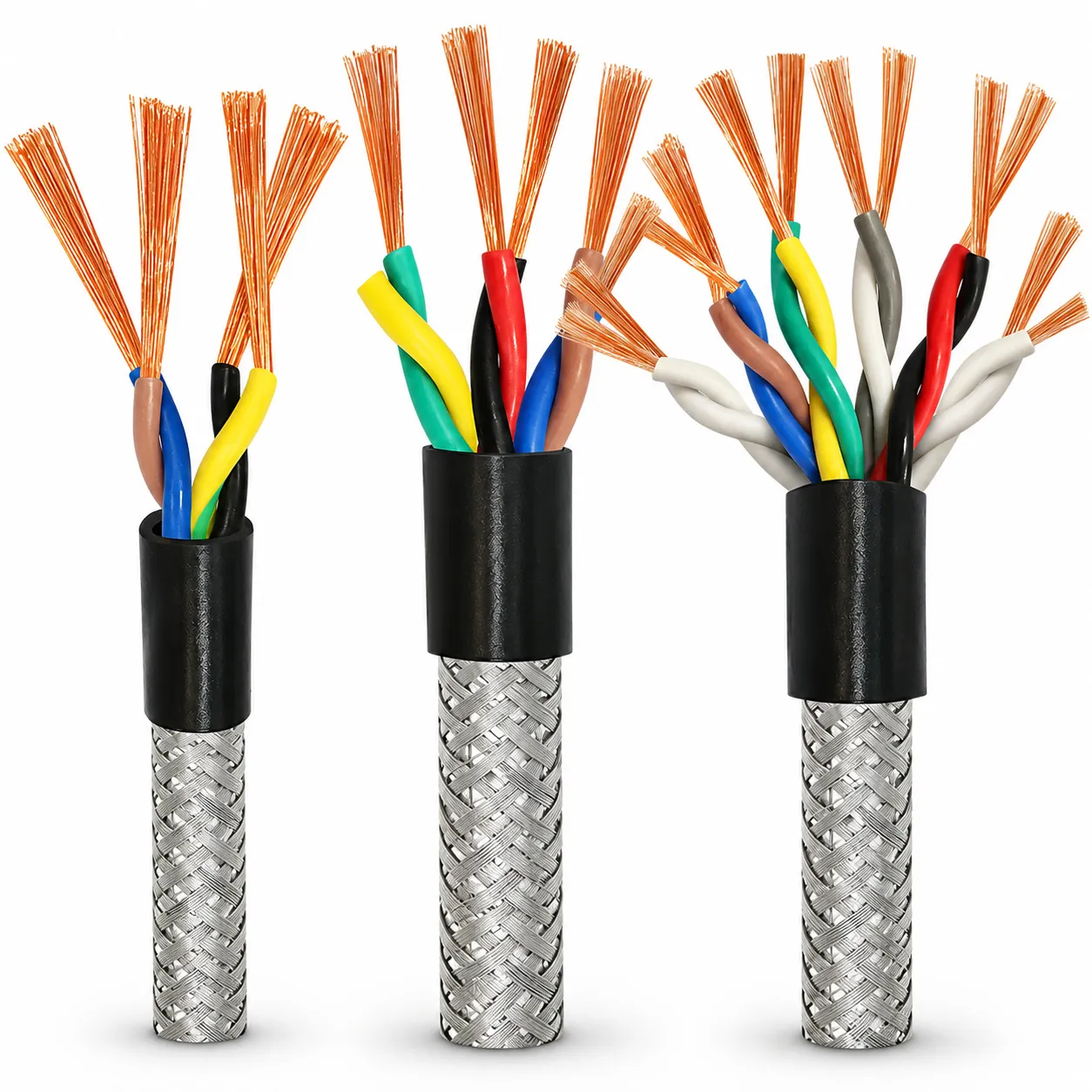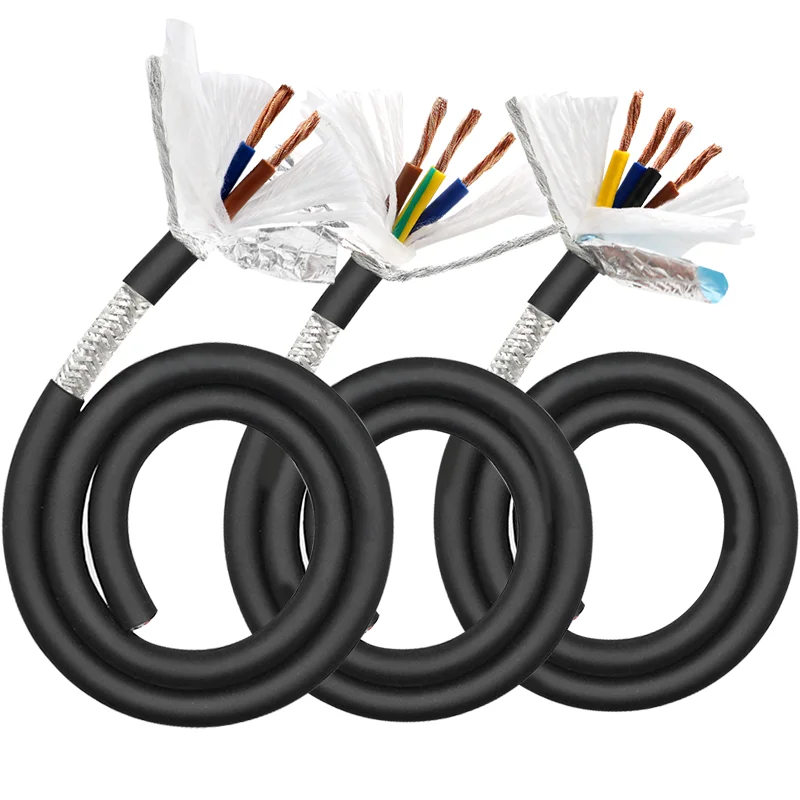
TRVVP/TRVV shielded electrical-cable enquiries include explicit conductor-area requirements of 0.15mm², 0.75mm² or 1.5mm². Select the exact designation and conductor/core layout for the intended robot-arm, cable-chain or automatic-equipment connection.
Which copper and PVC construction is required?
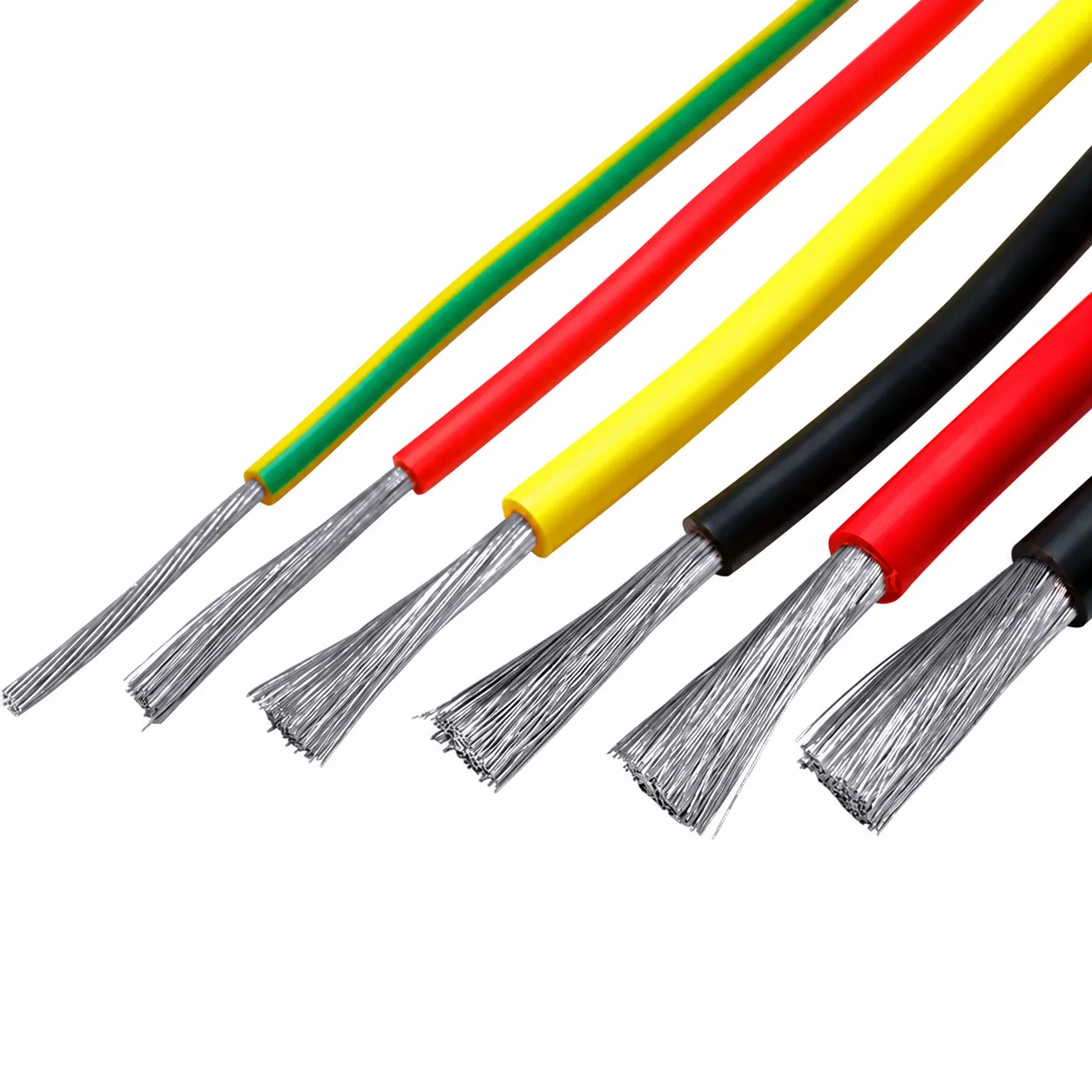
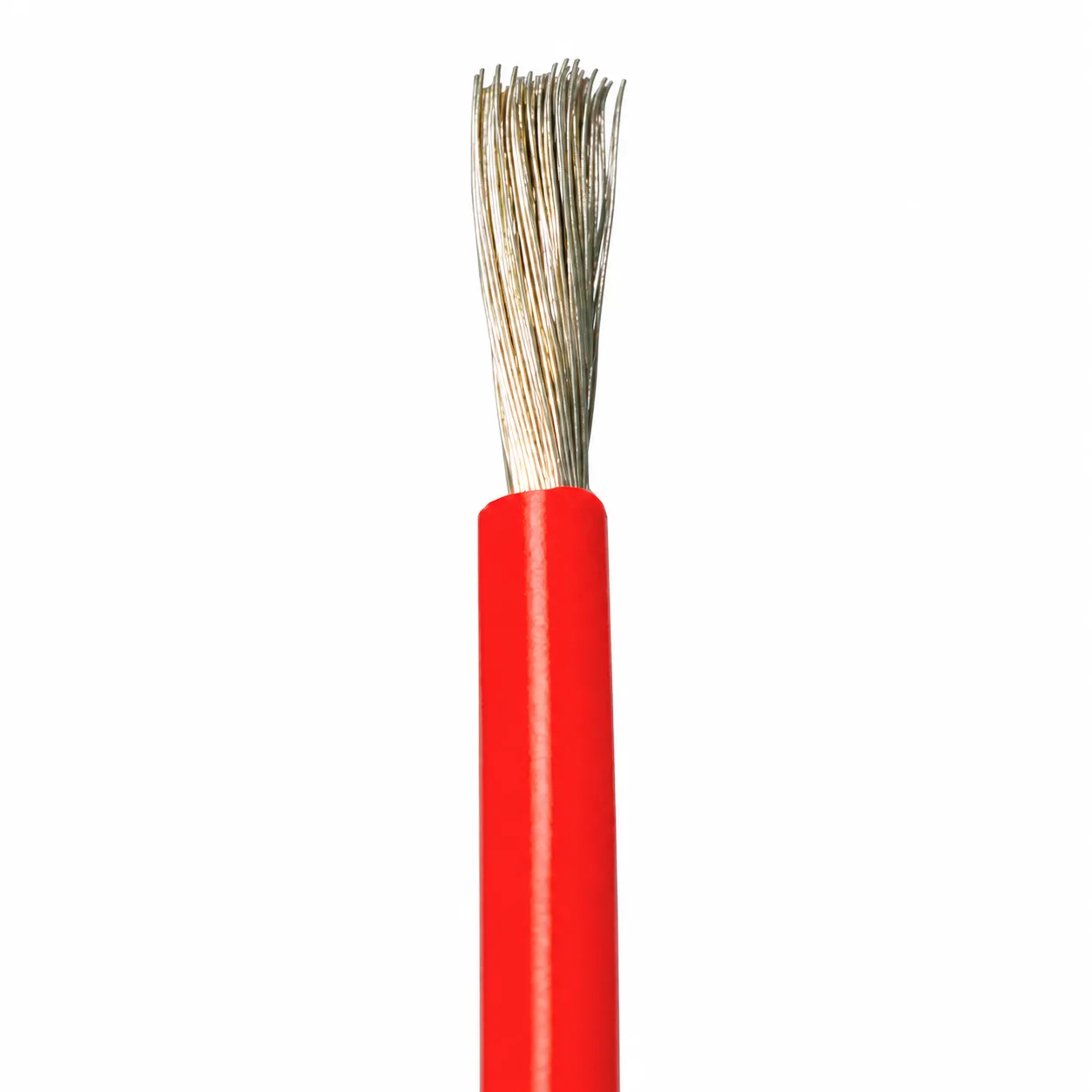
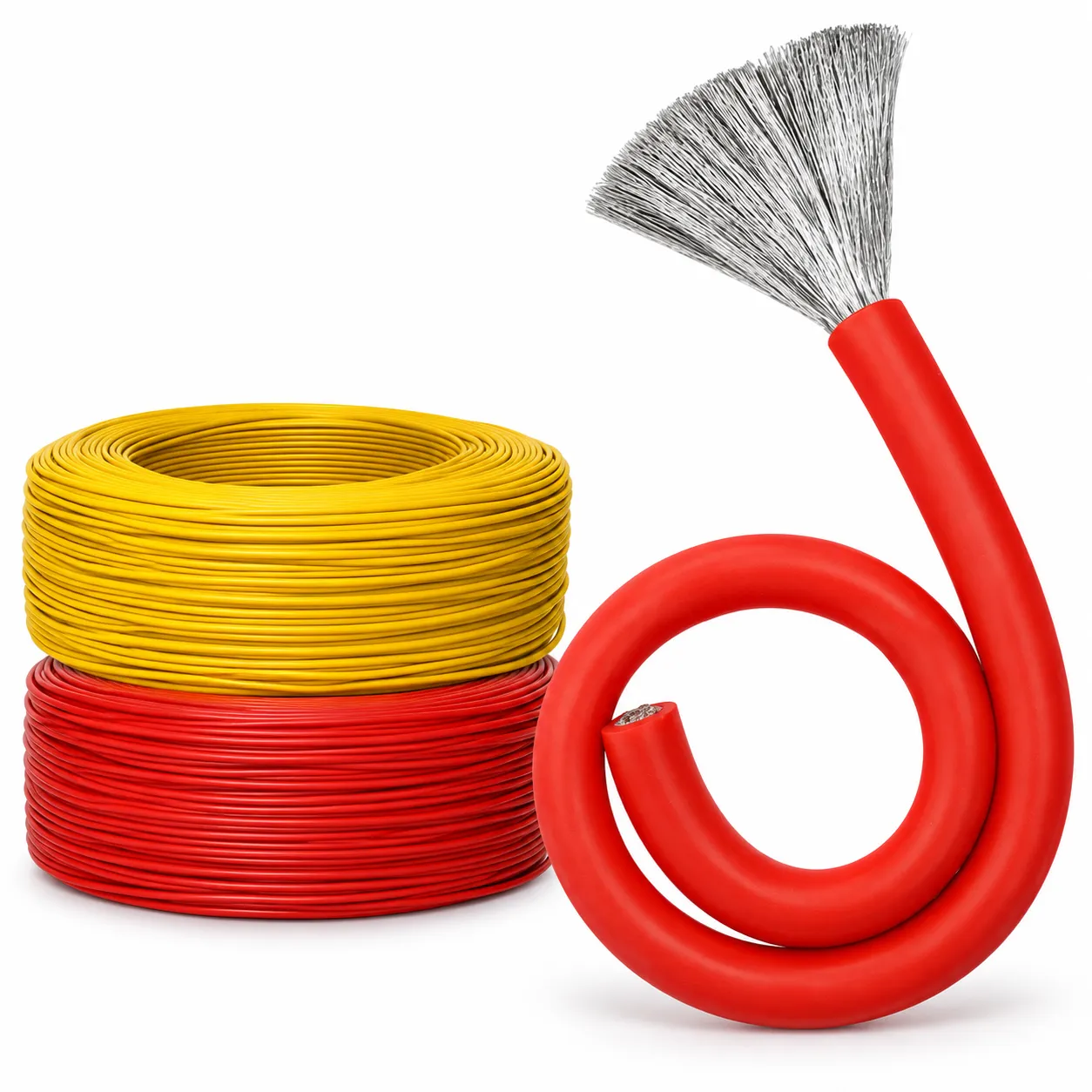
The described TRVVP highly flexible construction uses stranded oxygen-free copper with PVC insulation and jacket at 300/500 V. Oil resistance and a super-soft build are stated features. Round or custom forms are offered; define the chosen shape, finished PVC dimensions and terminal geometry with the actual conductor area.
- Oxygen-free copper is the described conductor material.
- The conductor construction is stranded.
- High flexibility is explicitly described.
- PVC is used for insulation and jacket.
- Oil resistance and softness are stated features.
How should the cores and movement be defined?
Two-, three- or four-core requirements should be matched to the exact construction code. Other TRVVP catalogue codes offer different core arrangements and size labels. Give the selected area/core map, strand dimensions, shielding arrangement and terminations. Include actual motion, load, oil exposure, routing and the complete working-temperature requirements for that machine duty.
What belongs in the bending-test and supply brief?
For an eight-million-bend requirement, identify the applicable test conditions and evidence for the exact robot cable. Keep the selected construction and motion arrangement with those requirements. OEM/ODM requests can include the chosen conductor/core/shield drawing, finished machine-connection lengths and quantity. Plan the request using the 1 m offering and stated 100-metre minimum order, with the agreed area and cable designation retained in the quotation.