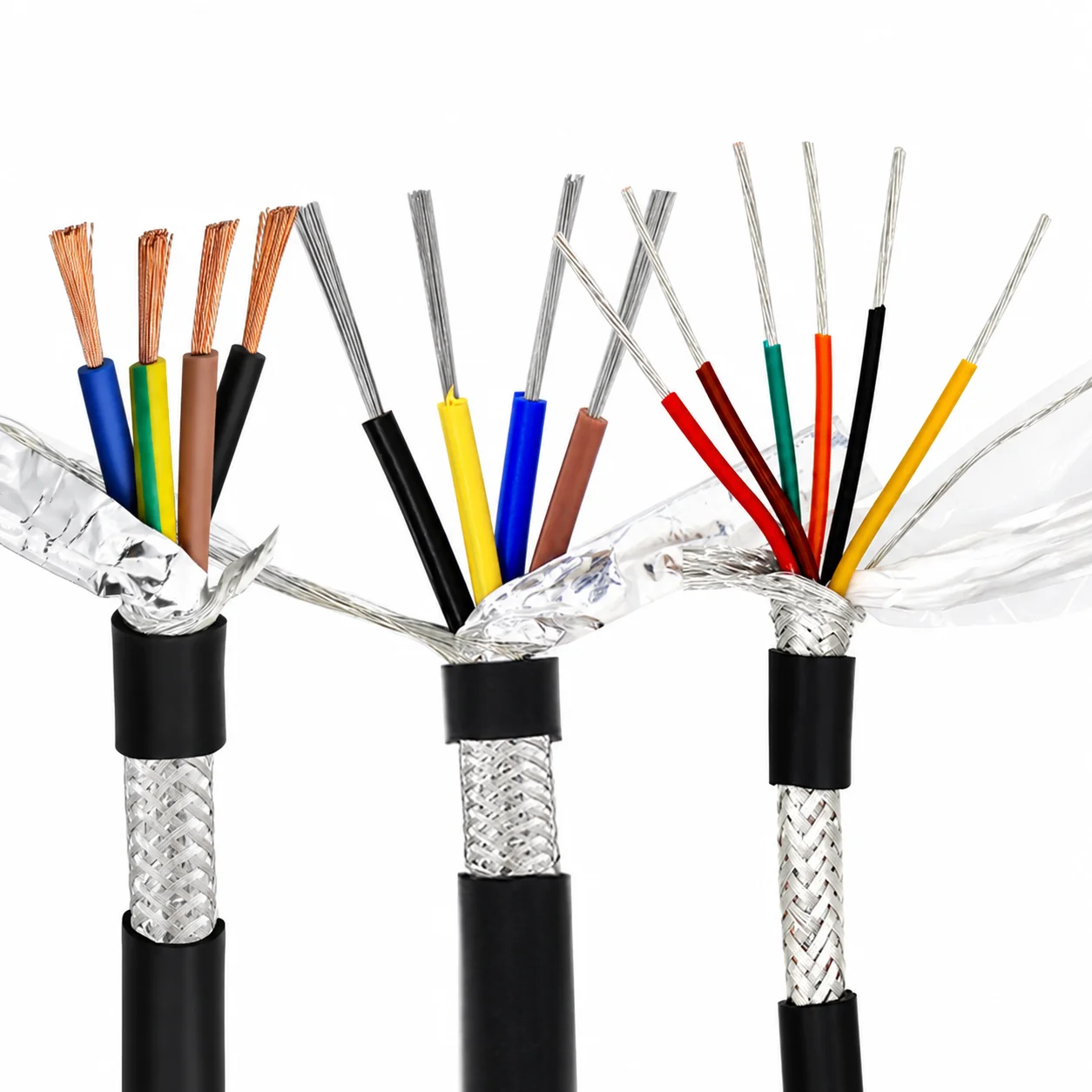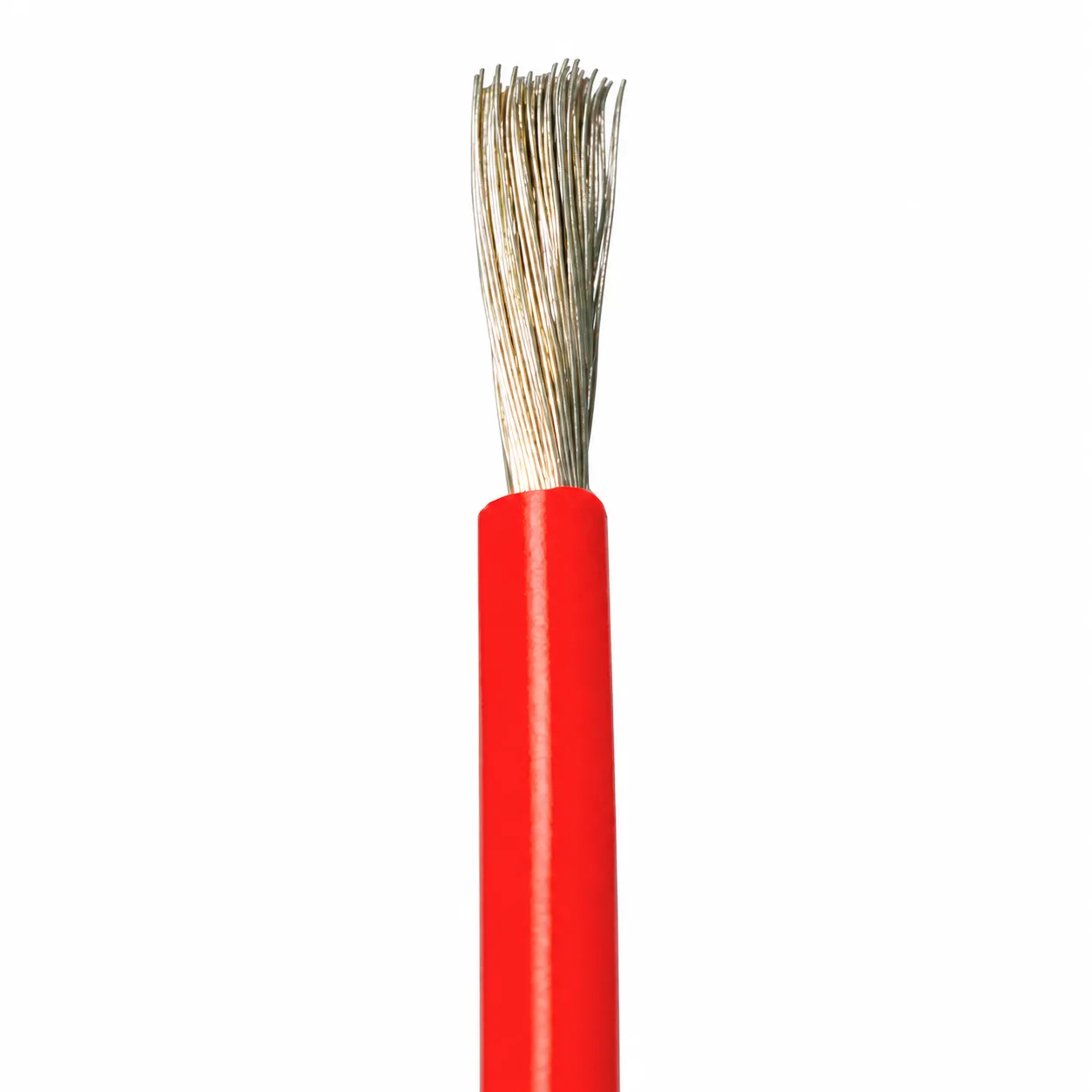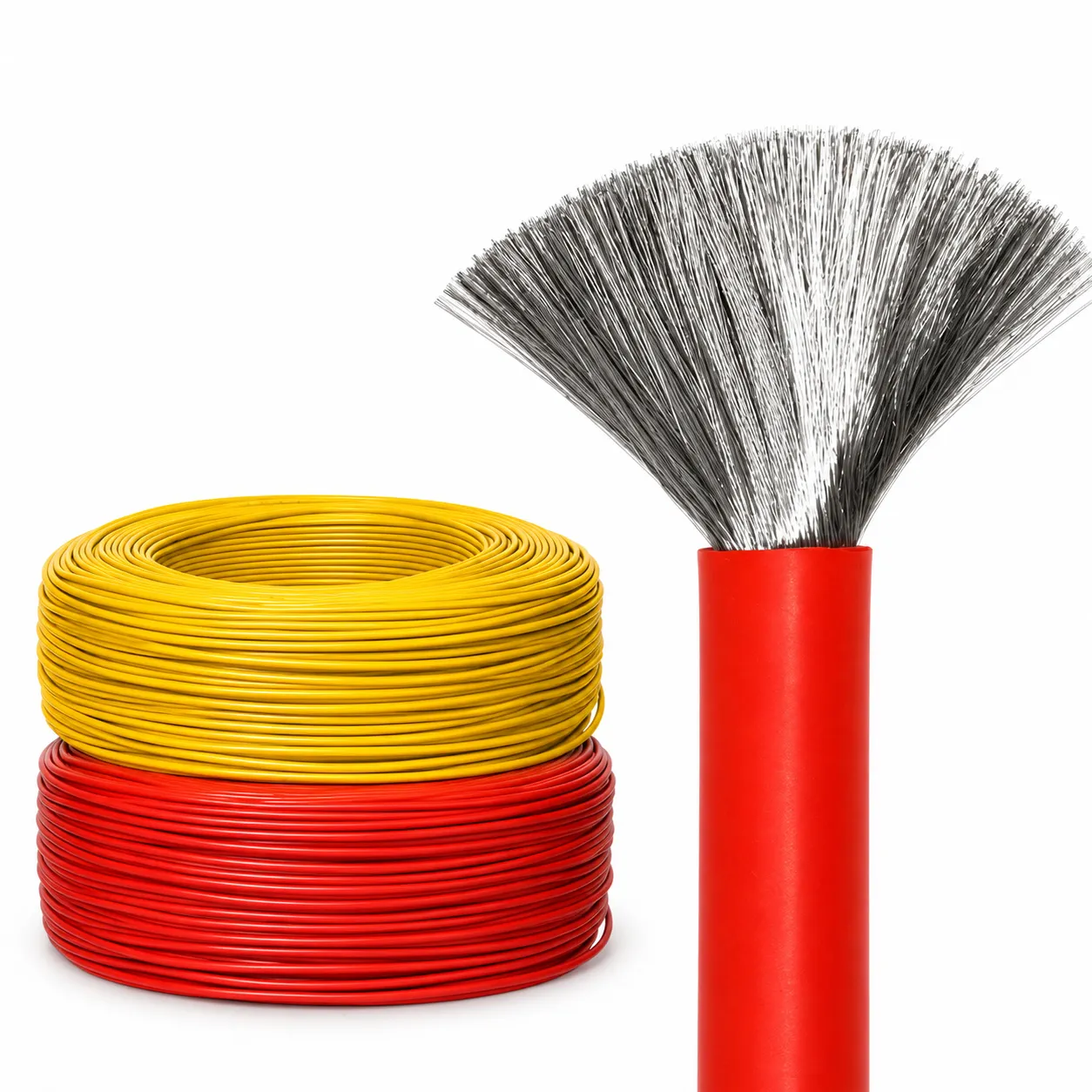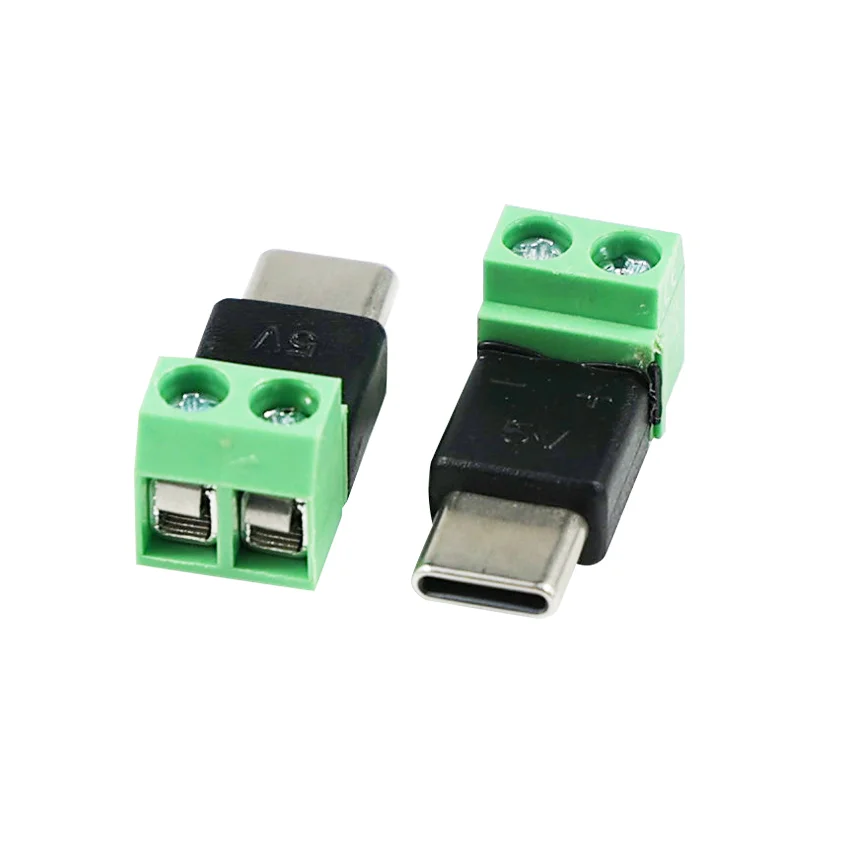
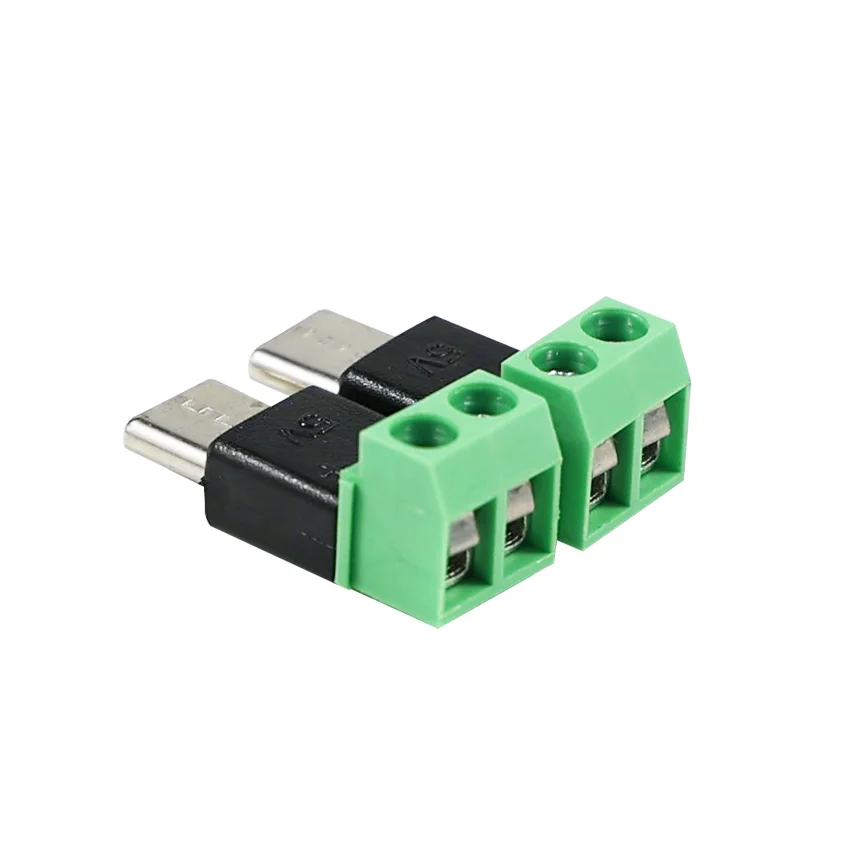
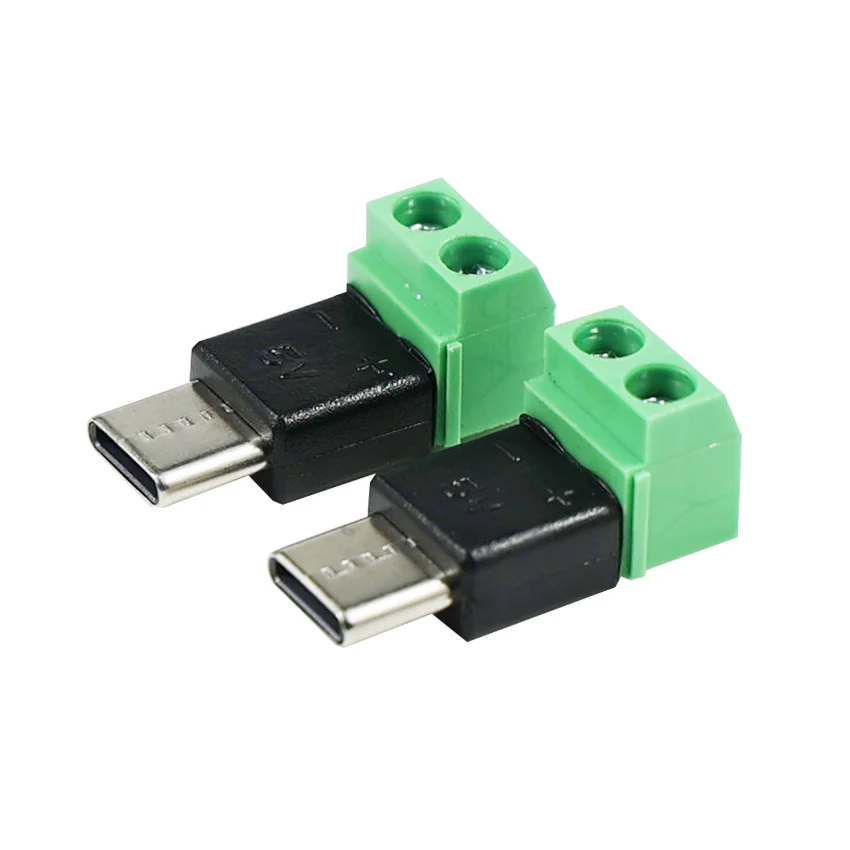
Series illustrations. Actual configuration is subject to the confirmed drawing.
DIY 5V Two-Pin USB-C Screw-Terminal Adapter | Selected Metal Plastic Copper Material Build
-
Quotation & delivery: Include your required quantity, destination and timing in the enquiry. Confirm the selected build, lead time, shipping charges and any return terms in the agreed quotation before ordering.
-
TypeScrew Terminals
-
BrandReliaPackagingPE Bag
-
DescriptionUSB Type C adapterMaterialPure Copper, PVC, nylon, ABS, Plastic
-
Impedance75 OhmsNumber of Positions33
-
Pins2PNumber of Cores2-core
This DIY USB-C adapter request uses screw-terminal connection requirements with a featured 5 V/two-pin brief. Metal-case, pure-copper, PVC, nylon and ABS/plastic requirements form the construction scope, with the actual supplied parts and material roles to be agreed.
Identify the supplied adapter and case
Specify whether the required item is the adapter component or a completed cable assembly. Agree how the metal case and plastic-related construction requirements apply to that supplied arrangement, retaining the actual copper and insulating-material scope.
Describe the receiving USB-C interface and the wire connection at the screw terminals. Connector gender, mating geometry and terminal access should be defined alongside the selected case and included parts.
Resolve the terminal-position map
Clarify how the 33-position requirement relates to the two-pin/two-core wiring scope. Agree the actual terminal layout, conductor connections and complete pin assignment before finalizing the DIY assembly.
Match that layout with the intended source and receiving device. The terminal count and wire arrangement should describe the same power or connection function for the actual adapter.
Set the applicable electrical and USB function
Retain the featured 5 V requirement and agree complete current/load scope with the source and device. Define which USB 2.0 or USB 3.0 function the selected arrangement must provide and obtain applicable support for those operating requirements.
If a 75-ohm impedance requirement applies, establish its actual component and connection scope with applicable evidence. Complete the brief with supplied parts, case/material roles, position/pinout map, terminal wiring and receiving-equipment requirements so the DIY adapter has one defined construction and use.
Provide the product reference, selected configuration, quantity and destination. Confirm drawings, applicable ratings and acceptance requirements for the requested build. Lead time, shipping arrangements, charges and any return conditions should be reviewed in the agreed quotation before ordering.