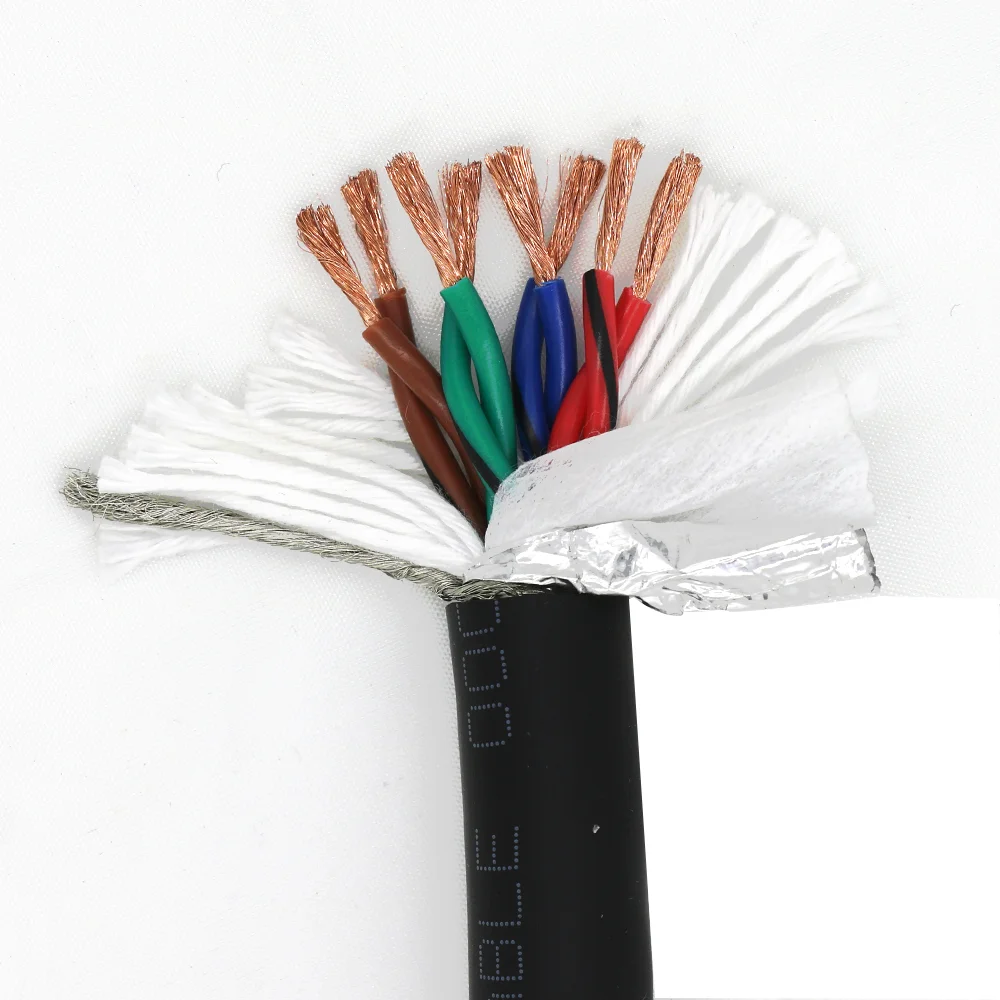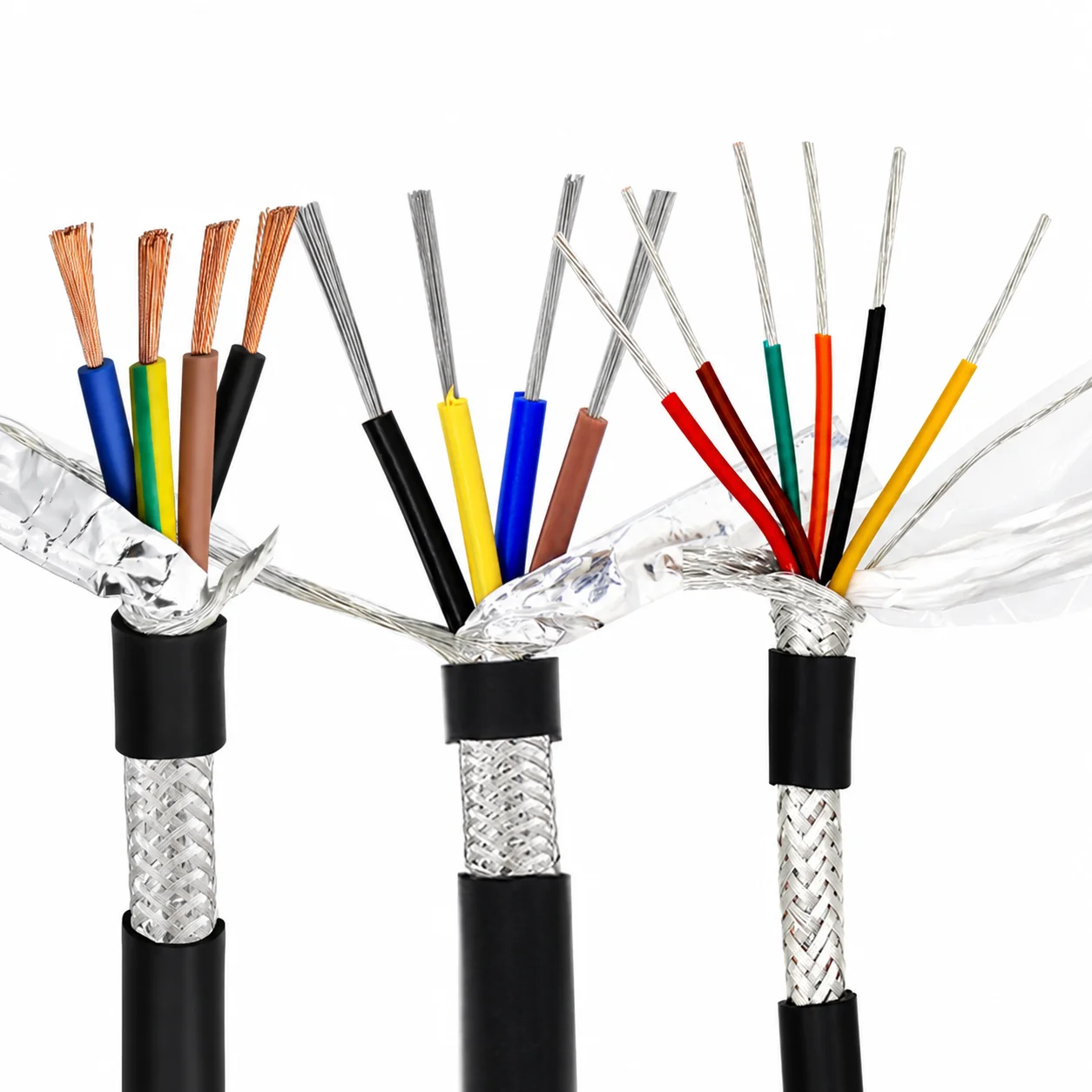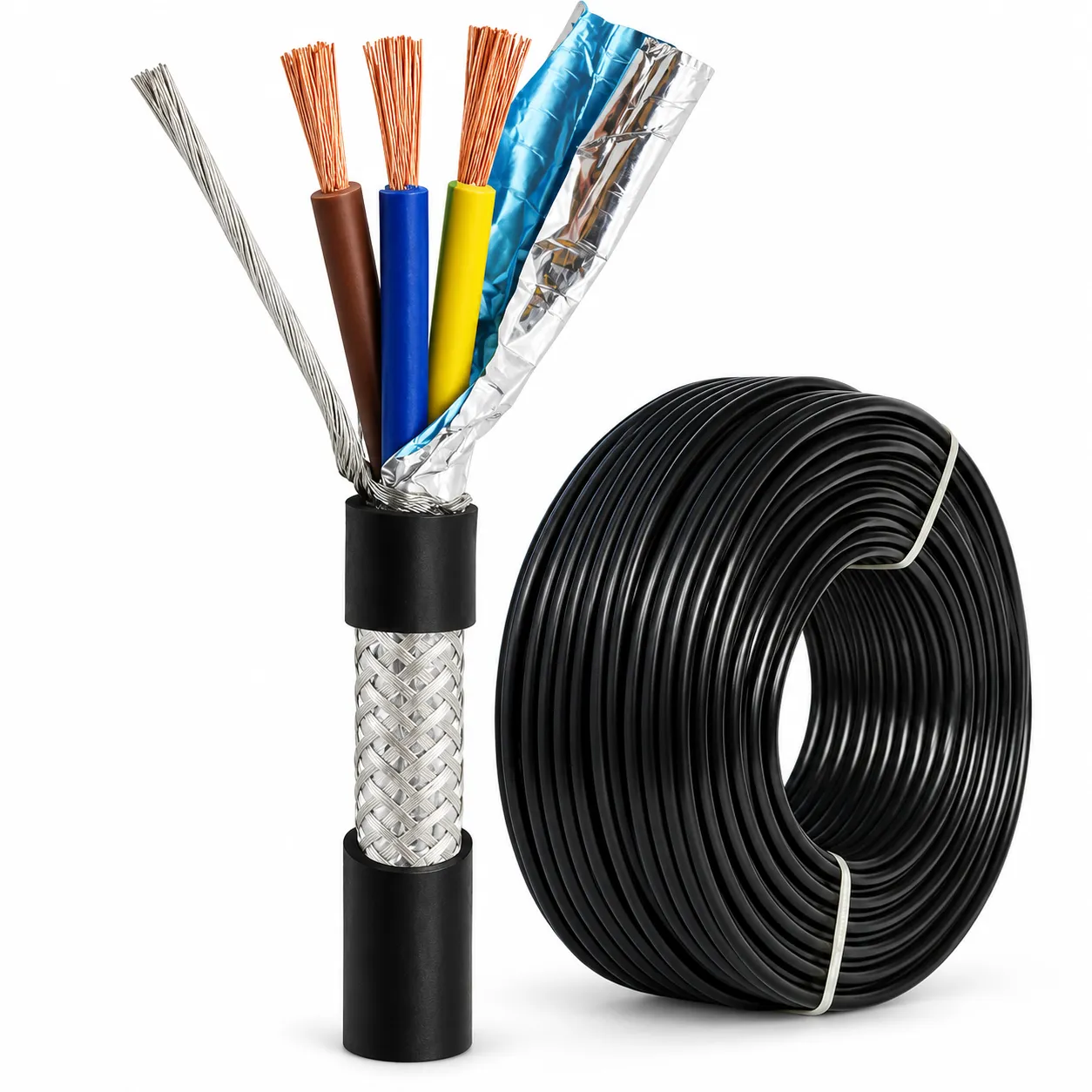
Flexible shielded signal-cable enquiries feature RVVP/LiYCY/AWM 2464, 20AWG and two- through six-core requests at 300/300 V. A 6mm size reference also appears. Retain the selected family and dimensional role on a complete drawing rather than assigning that reference to conductor area.
Select the actual family and conductor configuration
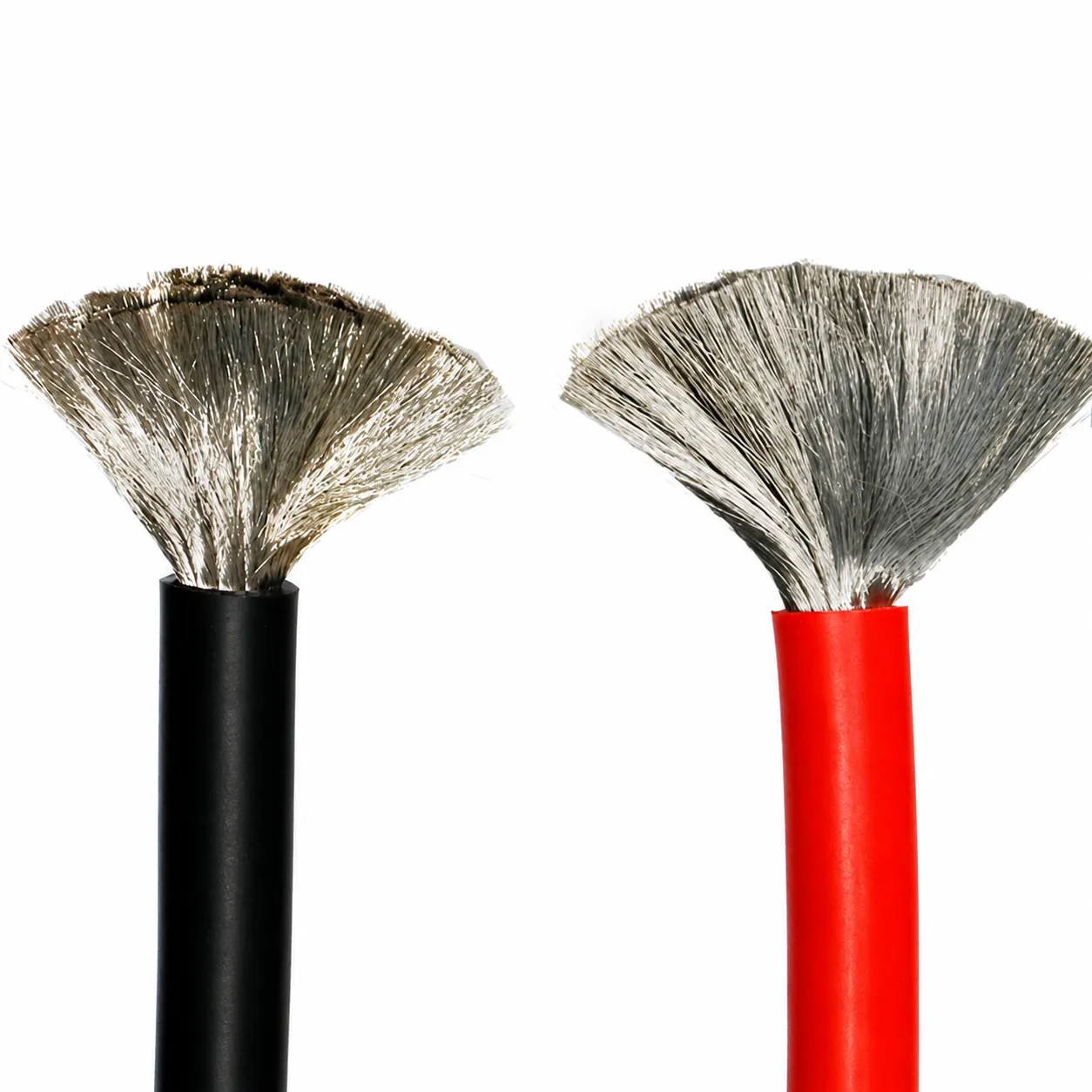
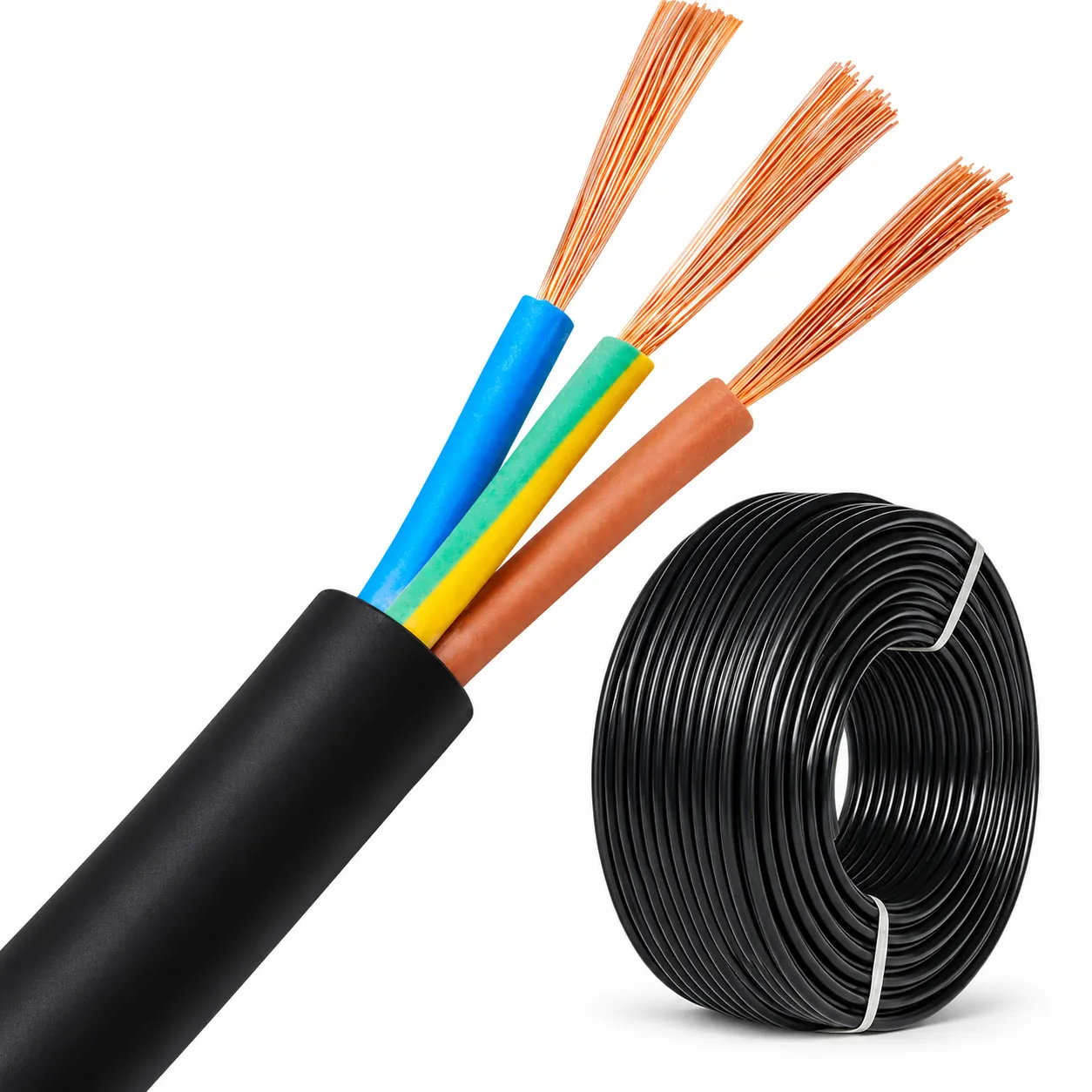
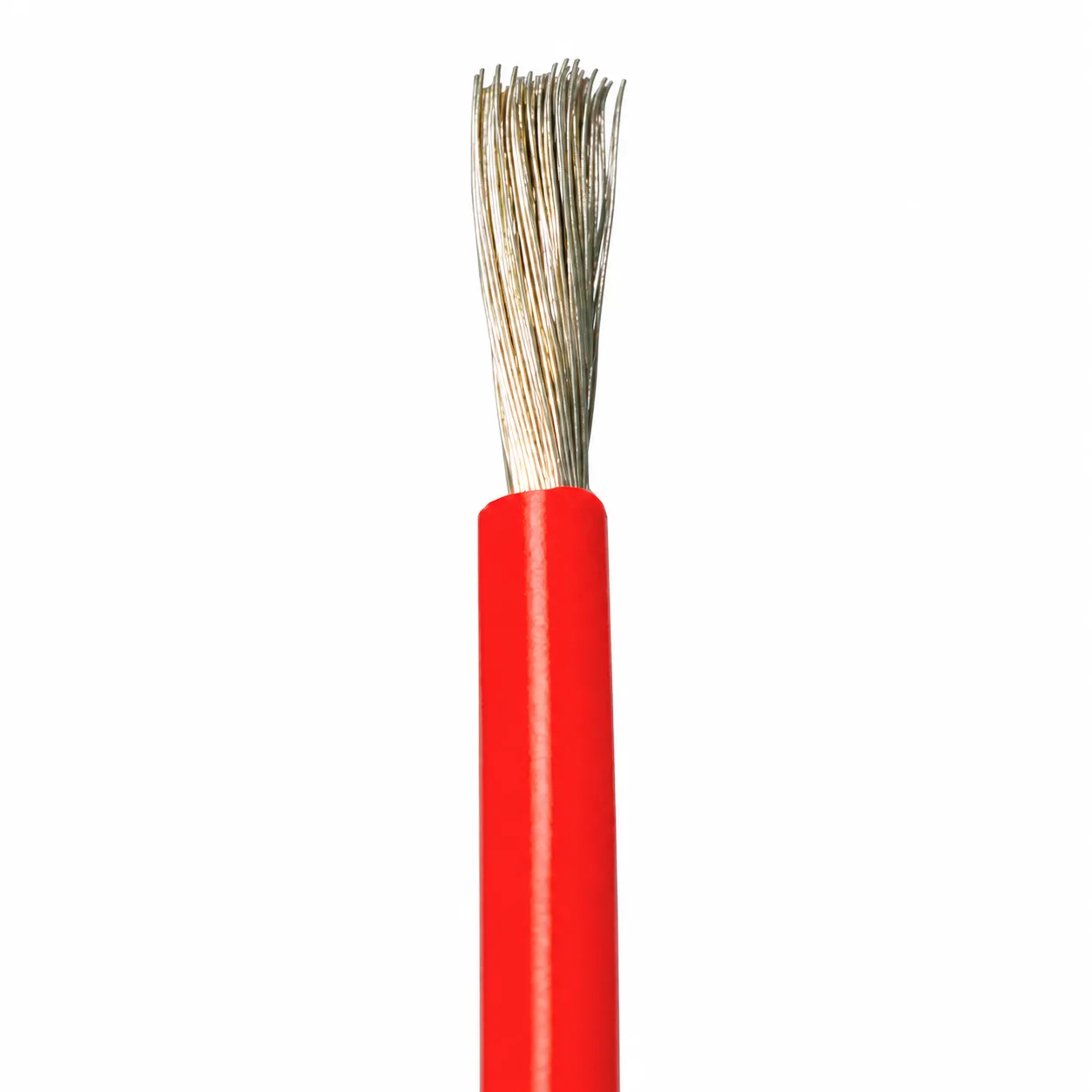
The catalogue combines RVVP and AWM 2464 with RVV, TRVV, RV, TRVVP, TRVVSP, silicone wire, 1015/1007 and RS485 choices. Actual core codes include mm-labelled constructions, 2464 2C×26AWG and other family-specific choices. Identify the exact family/core code, conductor-size units and required contact functions. Keep the 20AWG enquiry distinct from alternative AWG and mm-labelled constructions in the 1m offering.
Keep the described RVVP layers on one drawing
The RVVP construction uses stranded bare or tinned copper stated as 99.9% pure copper, with PVC insulation and jacket. Screening is aluminium foil plus tinned or bare copper braid with 80% coverage. Specify the selected braid material, completed dimensions and both shield-end terminations alongside the conductor/contact map.
Define the thermal and receiving-interface conditions
Temperature information includes −20–80°C and a separate ≤70°C limit; agree the complete selected-version limits. Give actual communication-audio, broadcast-sound or automotive/electronic requirements, circuit voltage/load and routing, movement and exposure. Review applicable chosen-version VW-1, CCC, CE, RoHS, SAA or ISO9001 information against the required acceptance scope.
Provide the finished signal-cable schedule
List connection lengths and quantity with the approved family/core/layer drawing. Include the real receiving interface and screening requirements so the proposed construction can be assessed against its intended signal path and operating environment.